Best Dog Crate Accessories for Comfort and Safety
Some links on this site may be affiliate links. As an Amazon Associate, we may earn from qualifying purchases at no extra cost to you.
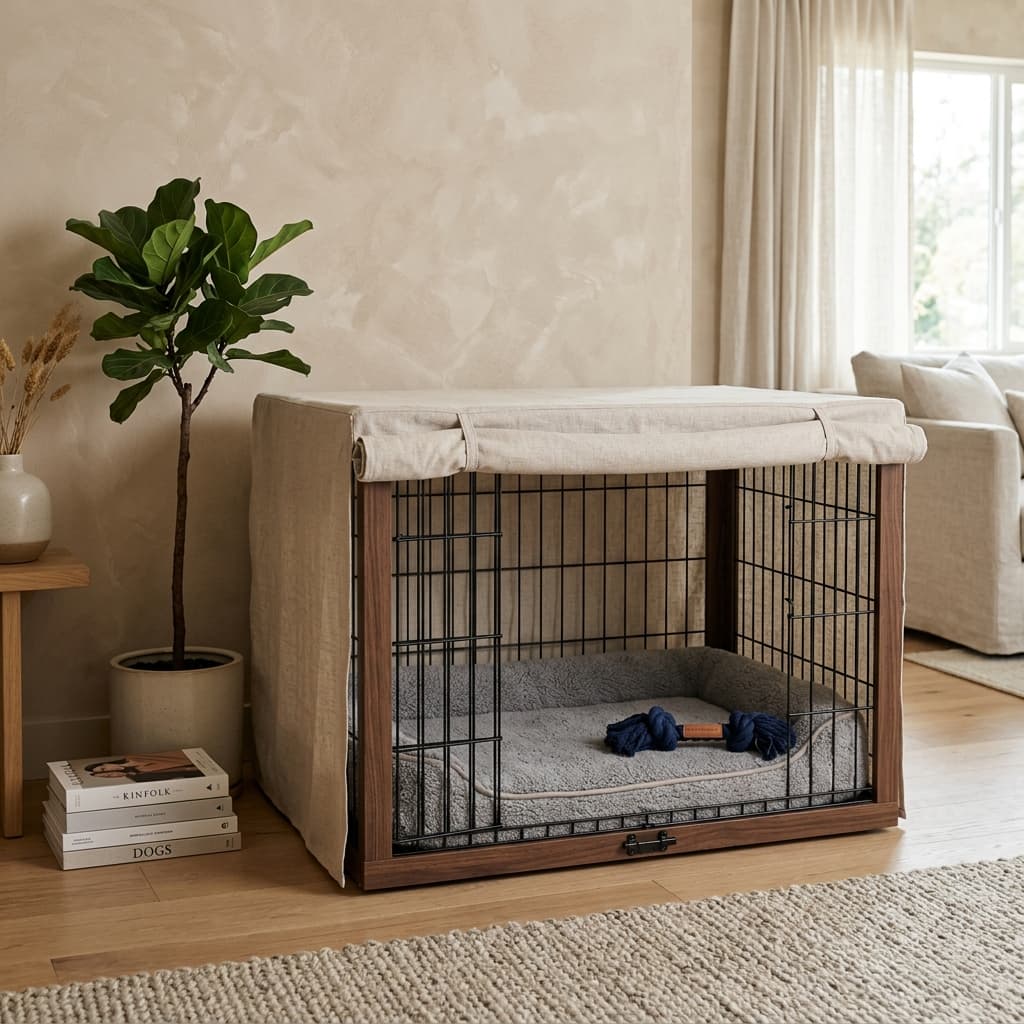
Why this guide matters
A crate setup works best when it feels calm, simple, and easy to maintain. Owners sometimes overload crates with accessories that look cozy in photos but reduce usable space, make cleanup harder, or create avoidable hassle. The goal is not to find the flashiest item on a product page. It is to choose gear that makes daily dog care easier, cleaner, and more consistent for the household using it.
That usually means balancing durability, ease of cleanup, comfort for the dog, and how realistic the product feels inside a real routine. In this guide, the focus stays on choosing a few crate accessories that improve comfort and routine without cluttering the space, because those details tend to matter more than novelty features once the product is part of everyday life.
It is also worth thinking about replacement fatigue. Many pet owners spend more over a year by rebuying low-fit products than they would by choosing one durable option from the start. A practical recommendation should help readers avoid that cycle by making the fit criteria clear before they spend money.
This guide focuses on practical use rather than hype-first rankings. Each section covers use case, tradeoffs, and what to expect from a product once it becomes part of a real daily routine — not just the first day of ownership.
What to compare before buying
The best crate accessories usually solve one of three things: comfort, cleanup, or consistency. A pad that fits well, a cover used appropriately, or a nearby organizer can improve the overall routine more than piling multiple items inside the crate.
This is especially important for daily use. A crate that is easy to reset after accidents, shedding, or muddy paws remains more practical and more comfortable over time.
When evaluating options, focus on long-term friction points: setup time, cleaning effort, storage footprint, and how quickly the product can be reset after use. Those details often decide whether a good product stays in daily rotation or gets pushed into a closet after the first week.
- Comfort accessories should not crowd the dog’s ability to rest or turn comfortably.
- Washability matters because crate items see repeated use.
- Some helpful accessories belong outside the crate, not inside it.
- A calmer setup often beats a heavily decorated one.
Standout options worth shortlisting
A good shortlist should include a few different fits instead of one “perfect” answer. Some dogs need more structure, some homes need easier cleanup, and some buyers simply need something sturdy enough to last through daily use without turning into another replacement purchase in a month.
Each pick below is chosen for a different fit. Some households need the most durable option. Others need the easiest cleanup. And some buyers just need a reliable choice that holds up through daily use without becoming a replacement purchase in six weeks.
As you compare picks, imagine the first thirty days of use rather than the unboxing moment. Ask whether the product will still feel helpful after repeated washing, weekly resets, and normal household wear. The best shortlist is the one that still makes sense after novelty fades.
Fitted Crate Pad
$$Best for: Adding basic comfort without excessive bulk
A well-sized pad creates a more inviting resting surface while still keeping the crate straightforward to clean.
Pros
- Improves comfort
- Simple upgrade
- Easy to remove for washing
Tradeoffs
- May not suit every chewer
- Thin versions provide less support
Washable Crate Cover
$$Best for: Creating a calmer visual environment
A cover can help some dogs settle, provided airflow and supervision are handled thoughtfully.
Pros
- Can reduce visual stimulation
- Makes crate area look tidier
- Often removable and washable
Tradeoffs
- Not suitable for every dog
- Can increase warmth if overused
Crate-Side Storage Caddy
$Best for: Keeping nearby essentials organized
A small organizer for wipes, spare bedding, or treats keeps the crate routine more efficient without filling the crate itself.
Pros
- Adds organization
- Useful for training tools
- Good space saver
Tradeoffs
- Not necessary in every setup
- Can become cluttered if not maintained
Who should buy this type of product
This category is worth exploring if the crate is used daily and you want the space to feel more intentional. Small improvements in comfort and organization can make crate routines smoother for both dog and owner.
It is also a strong fit for households where the crate sits in a visible living area. Thoughtful accessories can improve function without making the space look messy.
Buyers usually get better results when they define success ahead of time. That can mean less floor mess after meals, quicker post-walk cleanup, calmer car trips, or fewer replacement purchases. A clear outcome helps narrow product choices quickly and prevents overbuying.
Who should skip or keep expectations modest
Skip crate accessories that take up too much interior room or add more wash load than you can realistically keep up with. A simpler crate often works better.
You should also avoid assuming every dog benefits from covers, hanging bowls, or plush add-ons. The dog’s behavior and comfort should guide the choices.
Skipping a product for now can be the smart choice, especially when routine habits are still changing. Many households benefit more from improving setup, storage, and consistency first, then adding targeted products once the daily pattern is stable.
Key considerations before you click buy
Most disappointing pet purchases are not terrible products. They are mismatched products. A setup that works for a short-coated apartment dog may be frustrating for a heavy shedder in a busy family home, and a travel accessory that feels compact online may still be annoying to store or clean in practice.
Before buying, compare the product against your dog’s size, coat, habits, supervision needs, and the amount of maintenance you are actually willing to do. The goal is to help avoid a mismatch — not push the most expensive option every time.
Budget planning is part of fit as well. A lower upfront price can still be expensive if the item wears quickly or creates ongoing refill costs. Looking at both purchase price and maintenance overhead gives a better view of true value for everyday use.
- Measure crate dimensions before buying fitted pads or covers.
- Think about chew habits and supervision before adding soft accessories.
- Keep airflow and temperature in mind if using a cover.
- Store cleanup and training items nearby instead of inside the crate.
Simple ways to get more value from it
Even a well-chosen product works better when the setup around it is simple. Keep the item where you already do the task, pair it with one or two supporting essentials, and make sure everyone in the home understands the routine. That reduces friction and makes the product feel useful rather than aspirational.
For dog households, consistency usually beats intensity. Short brushing sessions, a repeatable travel kit, or a feeding setup that is easy to reset after meals will outperform complicated systems that look nice on day one and then get ignored.
If possible, run a short two-week trial mindset after buying. Note what feels easier, what still causes friction, and what part of the routine needs adjustment. Small tweaks in placement, storage, or timing often unlock more value than replacing the product immediately.
- Rotate between two washable crate pad covers if the crate sees heavy daily use.
- Use the cover only when it clearly helps the dog settle.
- Keep one emergency towel or spare liner close by.
- Review the crate setup every few weeks and remove anything unused.
Final take
The best crate accessories support calm comfort and quick maintenance. If an item adds clutter or complication, it probably does not belong in the setup.
A comfort-and-safety article like this works well when it stays measured and avoids overselling. Readers usually appreciate restraint here.
A practical buying decision is usually one that keeps working quietly in the background of daily life. When a product supports routine without creating extra hassle, it earns its place. That is the standard used for every recommendation here.
Share this guide
Found this useful? Share it with other dog parents.