Best Paw Cleaners for Dogs After Walks
Some links on this site may be affiliate links. As an Amazon Associate, we may earn from qualifying purchases at no extra cost to you.
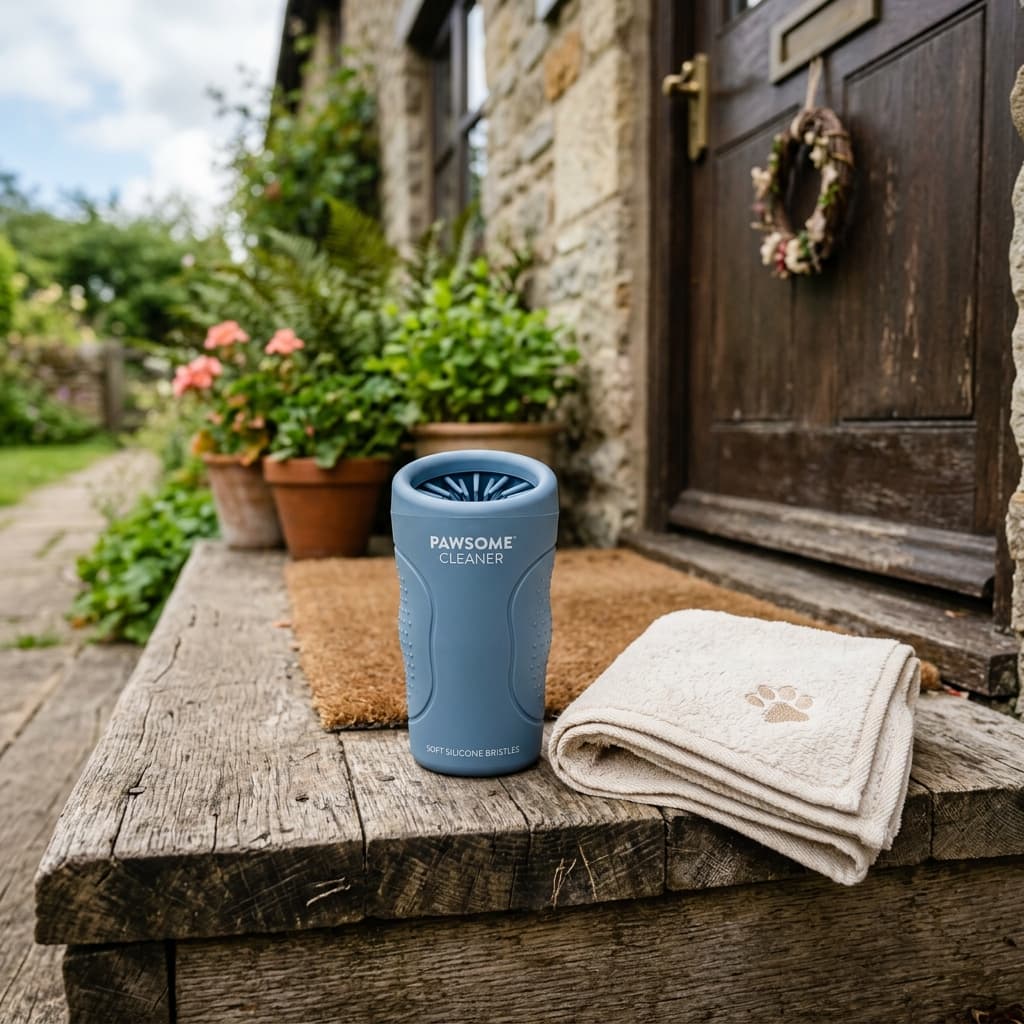
Understanding Best Paw Cleaners for Dogs After Walks
Muddy paws at the front door are one of the most universal dog owner frustrations, and a quick, effective post-walk paw cleaning routine is one of the simplest ways to keep the house significantly cleaner.
Many owners try to use a regular towel or paper towels to clean paws, which works for light dust but leaves mud, allergens, and wet debris on the pads and between toes where they spread through the home with every step.
Key Factors when Evaluating Best Paw Cleaners for Dogs After Walks
The right paw cleaner depends on two things: how dirty the walks get and how cooperative the dog is with foot handling. A portable rinse cup works very well for deep mud but requires the owner to hold each paw and dry after. A silicone scrubber mat works passively but takes longer to clean thoroughly.
For most households, the ideal system is layered. A quick wipe with a paw wipe handles most days. A rinse cup handles post-rain or post-trail situations. Having both and using them appropriately makes the entry routine faster and more consistent than relying on one method for everything.
- Portable paw cups are the most thorough option for muddy days but require water and drying after.
- Silicone scrubber mats let the dog step through and clean all four paws without owner handling.
- Paw wipes are the most convenient daily option for light to moderate debris.
- Rinse cups with soft interior bristles are gentler on dogs that dislike foot handling.
Top Picks for Best Paw Cleaners for Dogs After Walks
Portable Paw Rinse Cup
$$Best for: Post-rain walks and heavily muddy outings
A cylindrical cup with soft interior silicone bristles that clean between toes when the paw is inserted and rotated gently with a small amount of water inside.
Pros
- Thorough between-toe cleaning
- Reusable and compact
- Works without kneeling or full bathing
Tradeoffs
- Requires water and drying time
- Dog needs to tolerate paw handling
Silicone Scrubber Entry Mat
$Best for: Hands-free light cleaning at the door
A textured silicone mat placed at the entry point that the dog walks across to scrub light dirt from paws before entering the main living area.
Pros
- Passive and hands-free
- Easy to rinse clean
- Works daily without effort
Tradeoffs
- Not thorough enough for mud
- Requires training the dog to step on it
Microfiber Paw Towel with Pocket
$Best for: Fast daily drying and light debris removal
A glove-style or pocket-opening microfiber towel that wraps around each paw for fast drying and surface cleaning after wet walks.
Pros
- Very quick to use
- Machine washable
- Good for rainy season daily use
Tradeoffs
- Less effective on caked mud
- Needs regular washing to stay hygienic
Who Will Benefit Most
A dedicated paw cleaning setup is useful for any household with a dog that goes on regular outdoor walks, especially in urban environments where pavements collect allergens, pesticides, and grime that can be tracked inside and licked off pads.
It’s also worth the small investment for households with light-coloured flooring or rugs. A consistent paw-cleaning habit at the entry point significantly reduces the visible dirt spread throughout the home.
When to Consider Alternatives
Skip the rinse cup if your dog strongly resists foot handling. Forcing the process creates negative associations with re-entry, which can make the situation worse over time. Start with a mat or wipe and build paw-handling tolerance gradually with positive reinforcement.
Hold off on buying multiple systems at once. Start with the tool that matches your most common walk conditions, use it consistently, and add a second method only if situations arise that the first can’t handle.
Important Considerations Before Buying
- Place the cleaning station immediately at the entry point, not in the bathroom, to build a consistent habit.
- Get the dog comfortable with paw handling as a separate training exercise before introducing a rinse cup.
- Make sure you match the cup size to the dog's paw size so cleaning is thorough rather than just a partial rinse.
- Keep a small drying towel at the station so the paw cleaning routine completes without wet prints on the floor.
Practical Tips for Daily Use
- Keep the paw cup pre-filled with a small amount of clean water so it’s ready to use immediately.
- Pair paw cleaning with a treat so the dog learns to return to the station willingly.
- Do a quick inspection of pads and between toes during the cleaning session to catch any cuts or debris early.
- Establish the routine during dry weather first so it’s automatic before muddy season arrives.
Final Recommendations on Best Paw Cleaners for Dogs After Walks
Paw cleaners are one of the highest-return hygiene purchases for a dog household. They address a daily problem, take under a minute to use, and directly reduce the amount of dirt, allergens, and moisture that gets tracked through the home on every walk.
The best setup is usually a simple one: a rinse cup for heavy days and a wipe or towel for daily light cleaning. That combination covers most situations without making the re-entry process unnecessarily complicated.
Share this guide
Found this useful? Share it with other dog parents.
Share this guide: