Best Storage Solutions for Dog Food, Toys, and Supplies
Some links on this site may be affiliate links. As an Amazon Associate, we may earn from qualifying purchases at no extra cost to you.
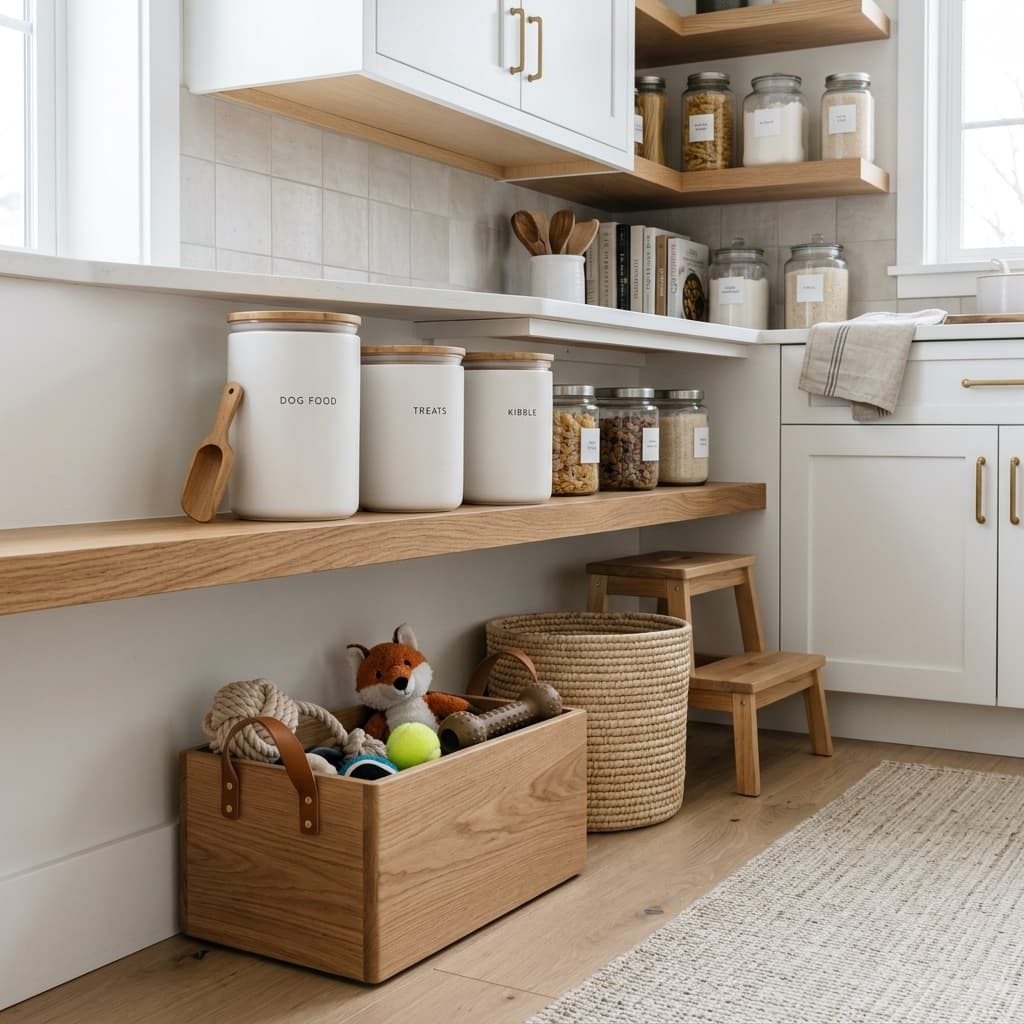
Why this guide matters
Dog products feel more manageable when storage supports the routine instead of hiding everything in one overflowing bin. Pet clutter builds fast because food, treats, towels, toys, grooming tools, and travel gear all get used in different rooms and at different frequencies. The goal is not to find the flashiest item on a product page. It is to choose gear that makes daily dog care easier, cleaner, and more consistent for the household using it.
That usually means balancing durability, ease of cleanup, comfort for the dog, and how realistic the product feels inside a real routine. In this guide, the focus stays on creating a storage setup that separates daily essentials from backup stock and occasional-use gear, because those details tend to matter more than novelty features once the product is part of everyday life.
It is also worth thinking about replacement fatigue. Many pet owners spend more over a year by rebuying low-fit products than they would by choosing one durable option from the start. A practical recommendation should help readers avoid that cycle by making the fit criteria clear before they spend money.
This guide focuses on practical use rather than hype-first rankings. Each section covers use case, tradeoffs, and what to expect from a product once it becomes part of a real daily routine — not just the first day of ownership.
What to compare before buying
A functional dog storage system usually has zones. Daily items should be close to where they are used, while backup food, spare towels, and seasonal gear can live farther away. This reduces visual clutter without making essentials annoying to reach.
Trying to store everything together often fails because the routine itself is not centralized. Feeding, grooming, walking, and travel all happen in different contexts, so the storage plan should reflect that.
When evaluating options, focus on long-term friction points: setup time, cleaning effort, storage footprint, and how quickly the product can be reset after use. Those details often decide whether a good product stays in daily rotation or gets pushed into a closet after the first week.
- Accessibility matters as much as capacity.
- Food storage needs different priorities than toy or towel storage.
- Clear containers and labeled bins reduce duplicate buying.
- The best system is the one you can reset in a few minutes.
Standout options worth shortlisting
A good shortlist should include a few different fits instead of one “perfect” answer. Some dogs need more structure, some homes need easier cleanup, and some buyers simply need something sturdy enough to last through daily use without turning into another replacement purchase in a month.
Each pick below is chosen for a different fit. Some households need the most durable option. Others need the easiest cleanup. And some buyers just need a reliable choice that holds up through daily use without becoming a replacement purchase in six weeks.
As you compare picks, imagine the first thirty days of use rather than the unboxing moment. Ask whether the product will still feel helpful after repeated washing, weekly resets, and normal household wear. The best shortlist is the one that still makes sense after novelty fades.
Airtight Food Container
$$Best for: Keeping kibble tidy and easier to portion
A dedicated food container helps streamline feeding and can keep the main bag from taking over the kitchen.
Pros
- Cleaner feeding area
- Easier scooping
- Helps with organization
Tradeoffs
- Needs space
- Must be cleaned periodically
Open-Top Toy Basket
$Best for: Quick toy resets in the living area
An easy-drop basket encourages cleanup and keeps the toy collection visually contained.
Pros
- Simple to use
- Good for daily reset
- Flexible placement
Tradeoffs
- Can become overfilled
- Not ideal for tiny loose pieces
Labeled Utility Bin Set
$$Best for: Separating grooming, walking, and backup supplies
A small set of labeled bins creates clearer zones and helps prevent random pet clutter from spreading.
Pros
- Improves organization
- Easy to customize
- Helpful for closets or cabinets
Tradeoffs
- Requires some setup time
- Can encourage overbuying bins if not kept simple
Who should buy this type of product
This category is worth attention if your dog gear feels harder to manage than it should. Better storage reduces lost items, duplicate purchases, and the visual noise that makes routines feel heavier.
It is especially useful in apartments, shared family spaces, or homes where dog products live in visible rooms rather than utility areas.
Buyers usually get better results when they define success ahead of time. That can mean less floor mess after meals, quicker post-walk cleanup, calmer car trips, or fewer replacement purchases. A clear outcome helps narrow product choices quickly and prevents overbuying.
Who should skip or keep expectations modest
Skip highly specific storage furniture if you are still figuring out where routines naturally happen. Flexible bins and baskets are easier to adjust first.
You should also avoid building a storage system larger than your actual supply volume. Oversized setups can create clutter of their own.
Skipping a product for now can be the smart choice, especially when routine habits are still changing. Many households benefit more from improving setup, storage, and consistency first, then adding targeted products once the daily pattern is stable.
Key considerations before you click buy
Most disappointing pet purchases are not terrible products. They are mismatched products. A setup that works for a short-coated apartment dog may be frustrating for a heavy shedder in a busy family home, and a travel accessory that feels compact online may still be annoying to store or clean in practice.
Before buying, compare the product against your dog’s size, coat, habits, supervision needs, and the amount of maintenance you are actually willing to do. The goal is to help avoid a mismatch — not push the most expensive option every time.
Budget planning is part of fit as well. A lower upfront price can still be expensive if the item wears quickly or creates ongoing refill costs. Looking at both purchase price and maintenance overhead gives a better view of true value for everyday use.
- Separate daily-use products from backup inventory.
- Use washable or wipeable storage where spills or damp towels are involved.
- Keep food storage close enough to the feeding area to stay practical.
- Label only what needs clarity; over-labeling can make the system harder to maintain.
Simple ways to get more value from it
Even a well-chosen product works better when the setup around it is simple. Keep the item where you already do the task, pair it with one or two supporting essentials, and make sure everyone in the home understands the routine. That reduces friction and makes the product feel useful rather than aspirational.
For dog households, consistency usually beats intensity. Short brushing sessions, a repeatable travel kit, or a feeding setup that is easy to reset after meals will outperform complicated systems that look nice on day one and then get ignored.
If possible, run a short two-week trial mindset after buying. Note what feels easier, what still causes friction, and what part of the routine needs adjustment. Small tweaks in placement, storage, or timing often unlock more value than replacing the product immediately.
- Do a five-minute pet-supply reset once a week.
- Limit the number of toys in active rotation so baskets do not overflow.
- Keep one small travel bin ready for weekend outings.
- Review food and treat stock before reordering to avoid overbuying.
Final take
The best storage solutions for dog supplies support the way your home already works. Simple zones and easy access beat complicated pet organization systems every time.
That practicality is why each suggestion here has a clear reason behind it. Storage products earn their place by fitting the household, not by looking impressive in a product photo.
A practical buying decision is usually one that keeps working quietly in the background of daily life. When a product supports routine without creating extra hassle, it earns its place. That is the standard used for every recommendation here.
Share this guide
Found this useful? Share it with other dog parents.