Choosing the Right Puppy Food: Large Breed Basics for India
Some links on this site may be affiliate links. As an Amazon Associate, we may earn from qualifying purchases at no extra cost to you.
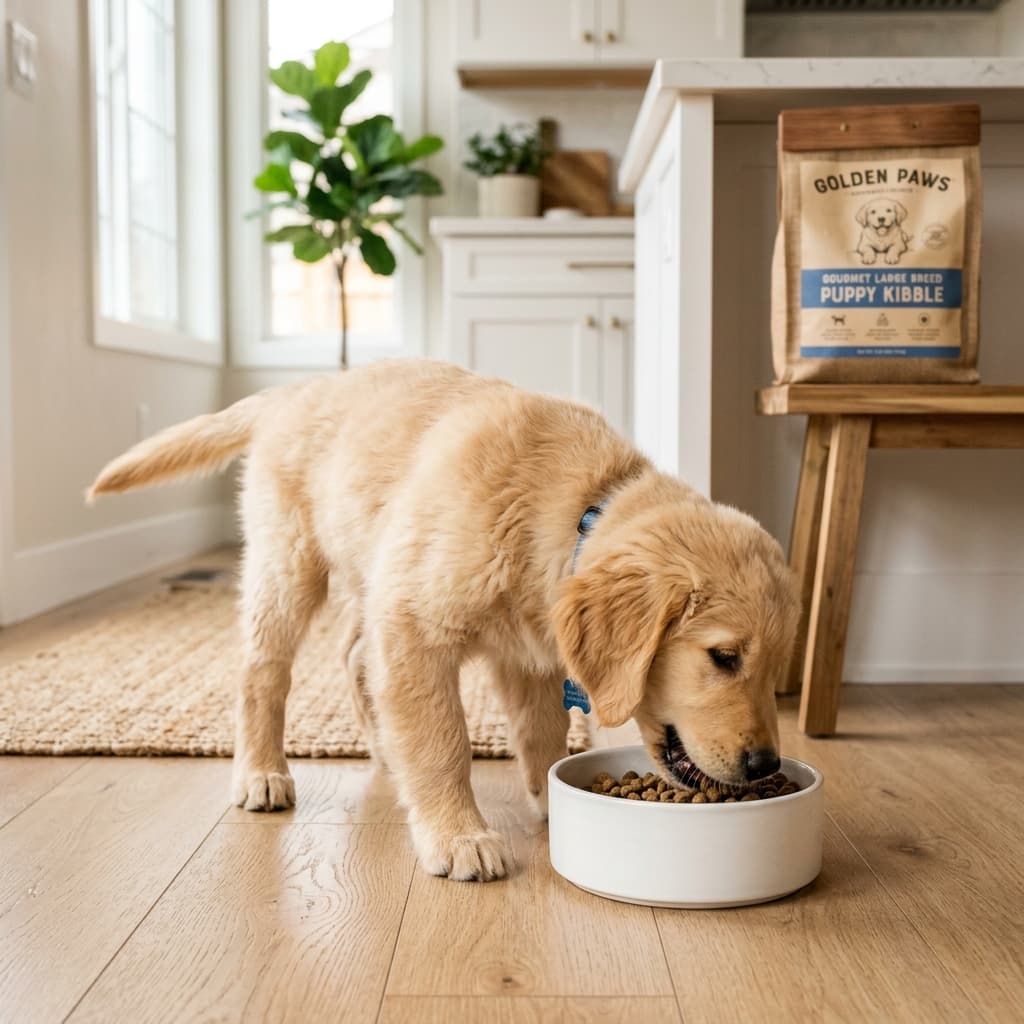
Understanding Choosing the Right Puppy Food
When Shiro was a pup, I thought all 'puppy food' was the same. I was wrong. For large breeds, growing too fast is actually dangerous for their joints and bones.
The biggest mistake we make with large puppies is over-nutrition. If they grow like a weed, their skeleton can't keep up, leading to hip and elbow issues later in life.
Key Factors when Evaluating Choosing the Right Puppy Food
I used to think a 'chunky' puppy was a healthy puppy. In reality, a leaner large-breed pup is much safer from developmental orthopedic diseases. We looked for brands that specifically listed 'Large Breed' on the bag because the kibble size and the nutrient balance are tailored for their slower development curve.
In India, we have a mix of great imported brands and rising local ones. The key is reading the back of the bag: not the front. If the first three ingredients aren't recognizable meats, we move on.
- Large breed formulas have lower calorie density to slow down growth.
- The Calcium to Phosphorus ratio must be narrow (ideally 1.1:1 to 1.3:1).
- Glucosamine and Chondroitin are often added early for joint support.
- High-quality animal protein should be the first ingredient.
Top Picks for Choosing the Right Puppy Food
Royal Canin Maxi Puppy / Golden Retriever Puppy
₹₹₹Best for: Precisely controlled growth for large breed pups
The industry standard for a reason. Their Golden Retriever specific formula helps maintain a healthy weight and supports digestive health during the growth phase.
Pros
- Scientifically formulated
- Highly digestible
- Excellent kibble shape
Tradeoffs
- Premium pricing
- Contains grains (fine for most dogs)
Farmina N&D Ancestral Grain Puppy Medium & Maxi
₹₹₹Best for: Pet parents looking for low-glycemic, natural ingredients
A high-protein, low-grain option that uses high-quality ingredients like chicken and pomegranate. Great for steady growth and beautiful coats.
Pros
- Low glycemic index
- High animal protein
- Very palatable
Tradeoffs
- Can be rich; requires slow transition
Drools Focus / Puppy Large Breed
₹₹Best for: A reliable budget-friendly option for consistent nutrition
The 'Focus' range is a significant step up from their basic kibble, offering a better balance of nutrients for growing large breeds at a very accessible price.
Pros
- Great value
- No soy or wheat
- Supports joint health
Tradeoffs
- Ingredients could be more transparent
Who Will Benefit Most
Switch to a large-breed specific formula if your dog is expected to be over 25kg as an adult. They need the specialized nutrient profile until they are at least 15-18 months old.
It's a great choice for puppies prone to 'knuckling' or joint sensitivity during growth spurts.
When to Consider Alternatives
Skip the 'all life stages' food for a large breed puppy. It's often too calorie-dense and high in calcium, which can stress their developing skeleton.
Avoid over-supplementing with extra calcium if you are already feeding a high-quality large-breed kibble.
Important Considerations Before Buying
- Always transition slowly (over 7-10 days) to avoid puppy tummy upsets.
- Keep your puppy on the leaner side; you should be able to feel their ribs easily.
- Monitor their stool quality: it's the best indicator of how they're digesting the food.
- Talk to your vet about the right calorie count for your specific pup.
Practical Tips for Daily Use
- Mix in a bit of warm water to enhance the aroma for picky puppies.
- Use the kibble during training sessions to keep their daily calorie intake in check.
- Store food in an airtight container to keep it fresh and crunchy.
- Stick to a consistent feeding schedule to help with house training.
Final Recommendations on Choosing the Right Puppy Food
Feeding your puppy is an investment in their future mobility. Slower growth now means a longer, more active life later.
Don't chase the trend; chase the nutrient profile that matches your dog's specific breed needs.
Share this guide
Found this useful? Share it with other dog parents.
Share this guide: