Dog Hot Spots: Indian Monsoon Survival Guide
Some links on this site may be affiliate links. As an Amazon Associate, we may earn from qualifying purchases at no extra cost to you.
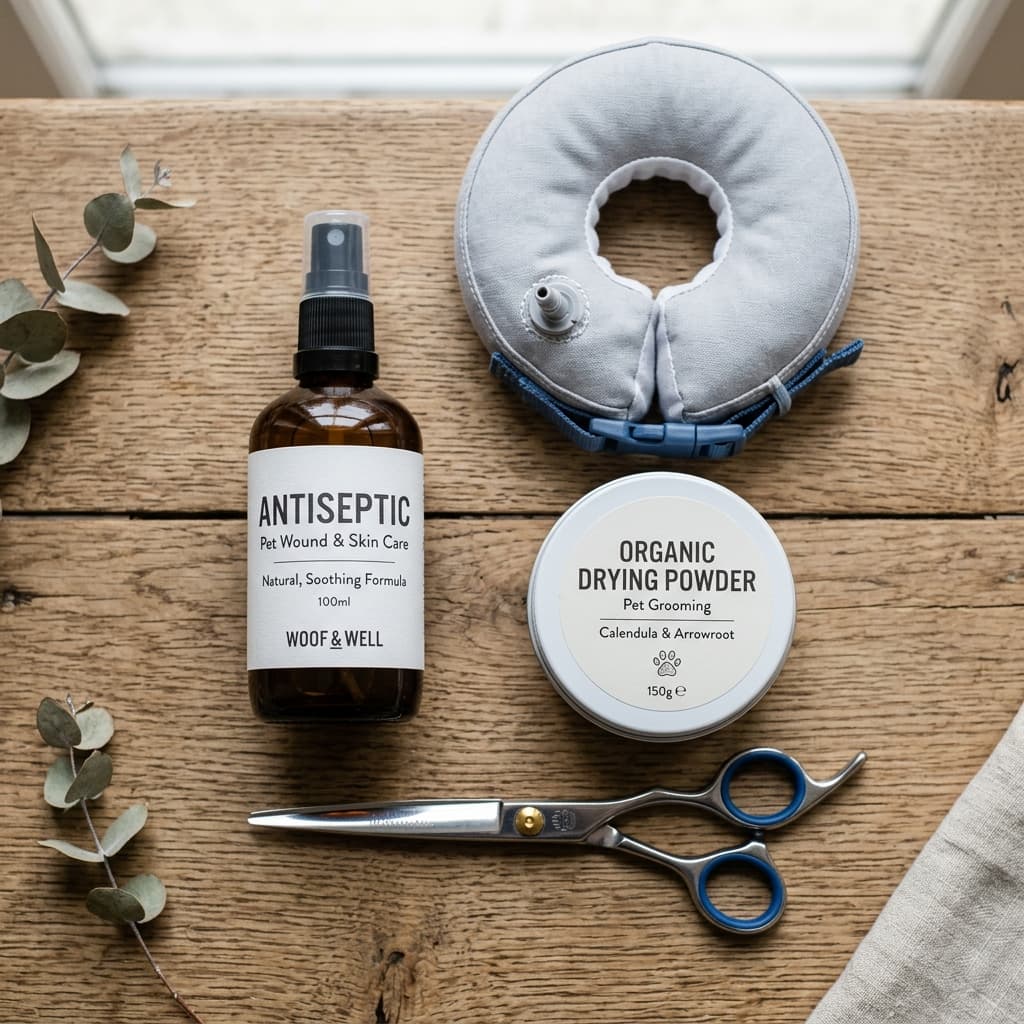
Understanding Dog Hot Spots
The air in Gurugram turned heavy and thick last week, signaling the first pre-monsoon showers. While Shiro loved the cooler breeze, his thick golden coat began trapping humidity like a greenhouse. Within 24 hours, he had chewed a small patch on his thigh into a raw, weeping red sore - our first hot spot of the season.
For double-coated breeds, moisture is the enemy. A wet walk, a damp spot from a quick swim, or even sweat trapped in the undercoat can trigger acute moist dermatitis (hot spots) overnight. The key is catching them early and keeping the area dry, clean, and protected from constant licking.
Key Factors when Evaluating Dog Hot Spots
When treating hot spots during high humidity, the priority shifts from moisturizing to drying. Creams and heavy ointments often trap moisture and exacerbate the infection in tropical climates. Instead, watery antiseptic sprays and specialized drying powders are the standard recommendations for Indian pet parents.
At the same time, physical prevention is non-negotiable. If your dog can lick the sore, no treatment will work. Traditional plastic cones are often hot and uncomfortable in humid weather, making soft fabric or inflatable collars a much better option to keep the area dry and ventilated.
- Antiseptic sprays must be sting-free and safe if licked in small quantities.
- Drying powders should be organic or vet-prescribed, avoiding harsh talcs.
- Protective collars need to be soft and breathable to prevent heat buildup around the neck.
- Early detection is crucial; a hot spot can double in size in just a few hours.
Top Picks for Dog Hot Spots
Virbac MicroShield Antiseptic Spray
₹₹Best for: Sanitizing and soothing raw skin without stinging
A gentle, sting-free spray containing Chlorhexidine Gluconate. It helps kill bacteria and yeast on contact, preventing the infection from spreading.
Pros
- Sting-free formula
- Highly effective antiseptic
- Vet-recommended
Tradeoffs
- Needs to dry completely before dog can lick it
Himalaya Scavon Vet Spray & Cream
₹Best for: Natural healing and keeping flies away
An ayurvedic formulation with neem and turmeric that aids tissue regeneration and acts as an effective fly repellent, which is crucial during monsoon.
Pros
- Natural ayurvedic ingredients
- Acts as a fly repellent
- Very affordable
Tradeoffs
- Strong herbal smell that some dogs dislike
Soft Inflatable Recovery Collar
₹₹Best for: Comfortable restriction in hot, humid weather
An inflatable donut-style collar that blocks access to body wounds while letting your dog eat, sleep, and breathe comfortably without the greenhouse effect of a plastic cone.
Pros
- Highly breathable and cool
- Does not block peripheral vision
- Machine washable cover
Tradeoffs
- Not suitable for muzzle or tail wound protection
Who Will Benefit Most
A basic hot spot kit is worth keeping at home if you own a retriever, husky, or spaniel in India. High humidity makes skin issues almost inevitable between June and September, and having sprays and collars on hand prevents emergency clinic runs.
It is also a good investment for dogs with seasonal allergies. Allergies trigger itching, which leads to scratching and biting, creating the raw wounds that turn into hot spots in humid air.
When to Consider Alternatives
Skip heavy creams and moisturizing pet lotions unless explicitly prescribed by a vet. In monsoon humidity, keeping the spot bone-dry is the primary way to stop bacterial growth.
You should also consult a vet immediately if the hot spot is near the eyes, covers a large area, or if your dog seems lethargic or has a fever. Severe cases may require systemic oral antibiotics.
Important Considerations Before Buying
- Always clip the hair around the hot spot to let air reach the wound.
- Look for alcohol-free antiseptic formulas to avoid causing intense pain.
- Ensure any collar you choose doesn't trap moisture or sweat around the neck.
- Monitor the spot daily; if it doesn't show signs of drying in 48 hours, see a vet.
Practical Tips for Daily Use
- Gently clean the raw area with sterile saline water before applying any spray.
- Use a hair dryer on the 'cool' setting to thoroughly dry the coat after walks.
- Apply Scavon spray before outdoor walks to keep flies and insects away from the wound.
- Give cooling curd rice during treatment to help soothe internal heat.
Final Recommendations on Dog Hot Spots
Monsoon hot spots are stressful but highly manageable if caught early. The secret is keeping the wound clean, dry, and protected from licking. A combination of Chlorhexidine spray, clipping, and an inflatable collar will usually resolve most minor hot spots in 3 to 5 days.
Ultimately, prevention is the best strategy. Keep your dog dry, brush them daily to remove dead undercoat, and check their skin after every damp walk. A little vigilance goes a long way in keeping skin infections at bay.
Share this guide
Found this useful? Share it with other dog parents.
Share this guide: