Monsoon Hot Spots & Matted Undercoats: Stopping Acute Moist Dermatitis in Humid Weather
Some links on this site may be affiliate links. As an Amazon Associate, we may earn from qualifying purchases at no extra cost to you.
Understanding Monsoon Hot Spots & Matted Undercoats
A dog hot spot can transform from an invisible coin-sized itchy patch into an angry, weeping, silver dollar-sized bacterial lesion in fewer than eight hours.
When ambient humidity hovers above 80%, a damp double coat acts like a greenhouse. Dead undercoat fur mats together, trapping rain, moisture, and shed skin cells against the warm dermis. Common skin bacteria multiply exponentially, producing intense itching that prompts frantic chewing and severe secondary skin breakdown.
Key Factors when Evaluating Monsoon Hot Spots & Matted Undercoats
Hot spots are not just simple surface rashes; they are painful, acute bacterial infections of the superficial skin layers. The hallmark symptom is the speed of onset. An owner may leave for work in the morning with a completely normal-looking dog, only to return home to find a wet, oozing, hairless wound that the dog is obsessively chewing.
The primary mistake dog parents make is trying to slather thick herbal ointments or coconut oil over an active hot spot. Greasy balms suffocate the skin, trapping heat and bacteria, which accelerates the infection. The first rule of hot spot management is: dry the lesion and give it unrestricted access to clean air.
- Lesion progression rate: Staphylococcus pseudintermedius bacteria can expand a superficial irritation into an ulcerated moist pyoderma within 6 to 12 hours of self-trauma.
- Coat density vulnerability: Golden Retrievers, Labradors, German Shepherds, and Cocker Spaniels with dense undercoats are five times more susceptible than single-coated breeds.
- Primary trigger factors: Trapped bath moisture, flea allergy bites, swimming in stagnant rainwater, and unbrushed shedding mats.
- Therapeutic goals: Clip fur to expose the lesion to air, clean with 2% chlorhexidine, control acute pain and itching, and prevent further self-mutilation.
Top Picks for Monsoon Hot Spots & Matted Undercoats
Vetericyn Plus Antimicrobial All Animal Wound and Skin Care Hydrogel
₹₹₹Best for: Immediate non-stinging antiseptic cleansing and barrier soothing
Uses hypochlorous technology to clean wounds, neutralize bacteria, and relieve itching on contact without burning or damaging healthy granulation tissue.
Pros
- Completely safe if licked
- Zero alcohol or steroids
- Relieves burning and irritation instantly
Tradeoffs
- Higher price point than basic betadine
Curaseb Chlorhexidine 2% & Ketoconazole 1% Medicated Spray
₹₹Best for: Combating mixed bacterial and fungal flare-ups on humid summer skin
A potent veterinary-strength formulation combining broad-spectrum antibacterial chlorhexidine with antifungal ketoconazole and soothing aloe vera.
Pros
- Eliminates both bacteria and yeast
- Light non-sticky liquid mist
- Fast drying formula
Tradeoffs
- Must be prevented from direct licking for 5 minutes after spraying
Who Will Benefit Most
Keep an antiseptic wound spray in your pet first aid kit before the rainy season starts so you can treat an emerging red patch at 11 PM without waiting for clinics to open.
Invest in an Elizabethan collar or a soft inflatable recovery donut to prevent your dog from chewing raw skin while medical treatments take effect.
When to Consider Alternatives
Never apply greasy turmeric pastes, thick vaseline, or heavy butter to an oozing hot spot; trapped heat causes the bacterial colony to explode.
Do not try to shave an active, weeping hot spot with standard dull scissors; accidental skin lacerations require immediate emergency surgical stitching.
Important Considerations Before Buying
- If the lesion is hot to the touch, weeping foul-smelling yellow pus, or accompanied by lethargy, visit your veterinarian immediately for systemic antibiotics.
- Check the ears thoroughly; chronic ear canal infections frequently cause dogs to scratch the skin behind their ears, triggering facial hot spots.
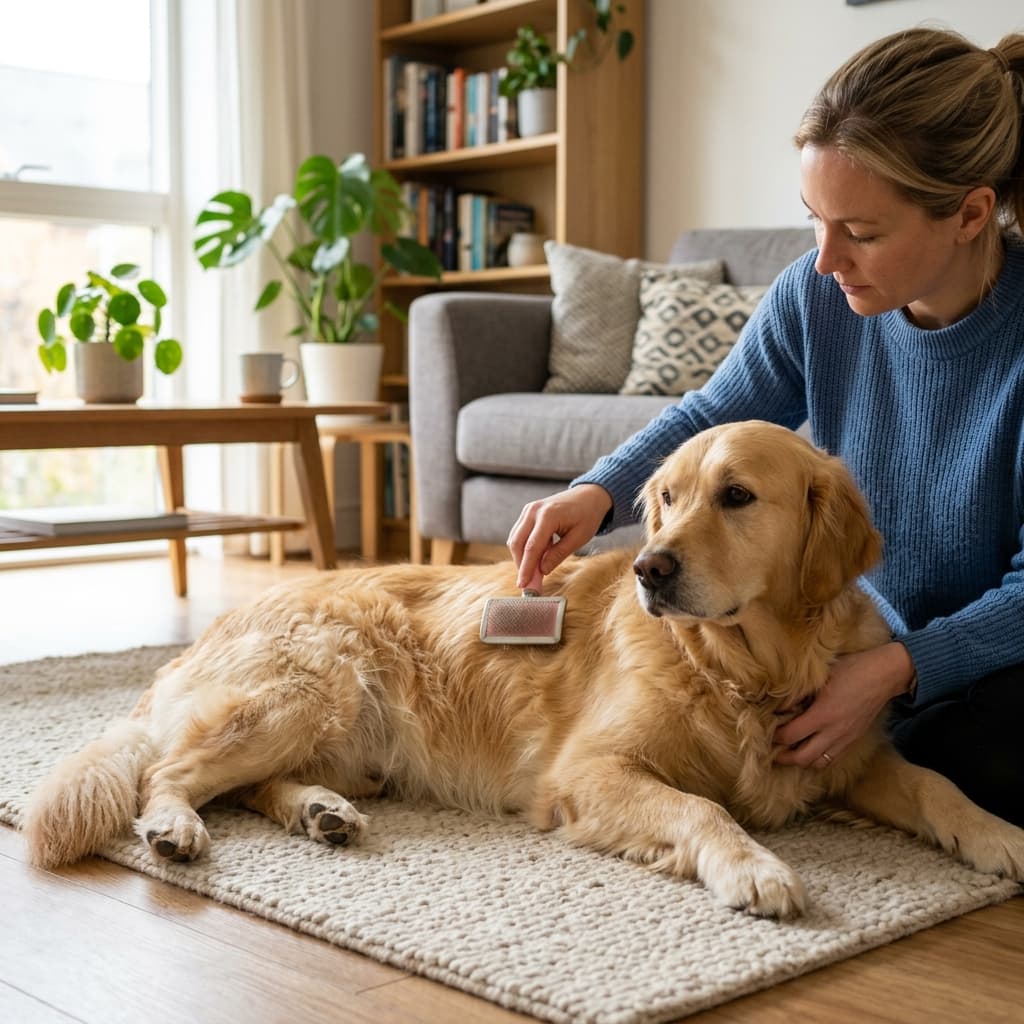
- Daily undercoat line-brushing is your greatest weapon against hot spots because separated hair allows the skin to breathe.
- Ensure your dog has an elevated mesh bed so floor humidity does not saturate their side while sleeping.
Practical Tips for Daily Use
- Gently trim the fur around the perimeter of the hot spot with round-tip safety shears to allow the wound edges to dry out completely.
- Cleanse the area with a sterile gauze pad soaked in cool saline or diluted chlorhexidine three times daily.
- Pat the area completely dry with clean paper towels; never rub vigorously against inflamed tissue.
- Keep your apartment air-conditioned or dehumidified while the skin forms a healthy, dry scab.
Final Recommendations on Monsoon Hot Spots & Matted Undercoats
Surviving Shiro's first monsoon hot spot taught us that damp undercoats cannot simply be left to dry on their own.
With daily undercoat raking, cool blowouts after walks, and quick antiseptic action at the first sign of licking, he has stayed completely hot-spot free.
Share this guide
Found this useful? Share it with other dog parents.
Share this guide: