Dog Paw Balms vs. Drying Powders: Preventing Monsoon Paw Rot
Some links on this site may be affiliate links. As an Amazon Associate, we may earn from qualifying purchases at no extra cost to you.
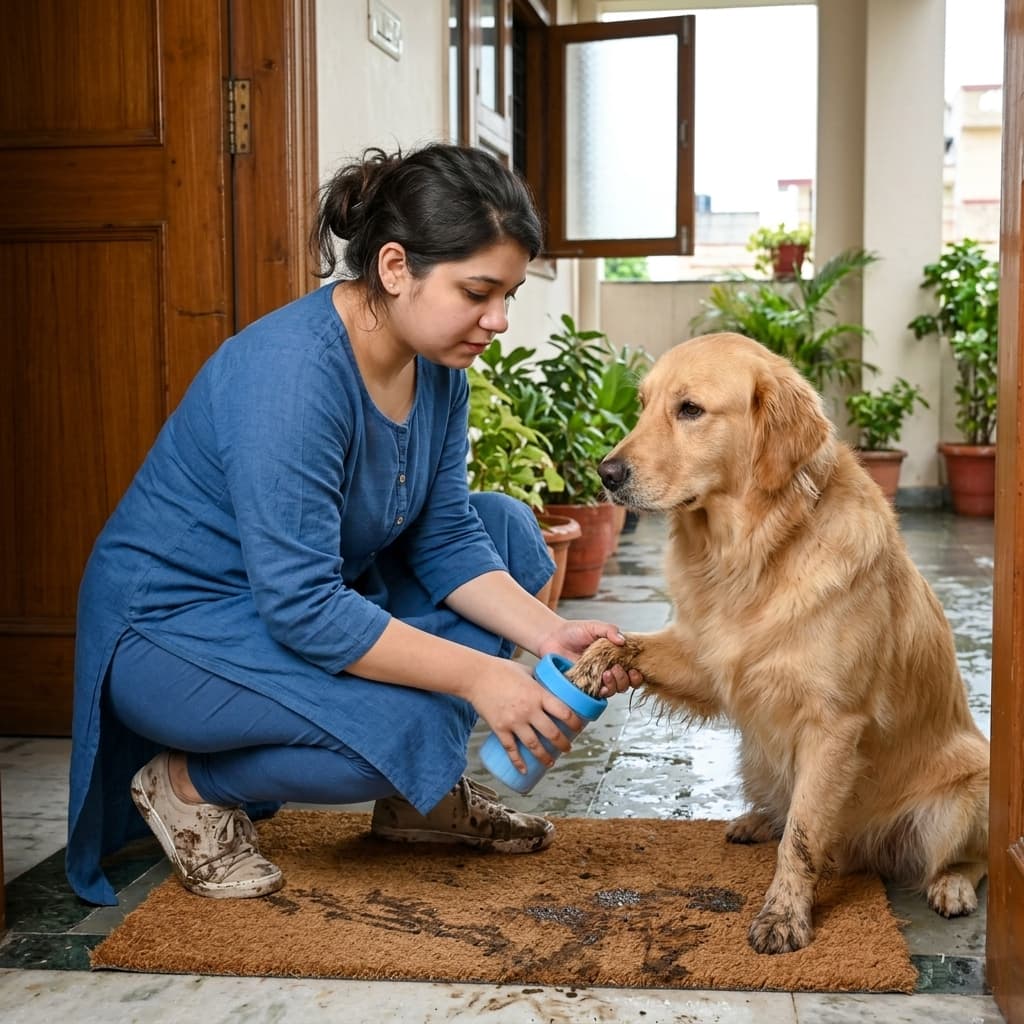
Understanding Dog Paw Balms vs. Drying Powders
Many well-meaning pet parents reach for rich wax paw balms when their dog's paws feel irritated during the monsoon - often inadvertently creating the exact greasy greenhouse yeast loves.
Balms trap moisture inside damp paw webbing, while powders can overdry cracked pads if used improperly. Understanding when to use an occlusive barrier versus a moisture-absorbing antiseptic is the key to preventing monsoon pododermatitis.
Key Factors when Evaluating Dog Paw Balms vs. Drying Powders
During the monsoon, the primary threat to canine paws is excessive moisture retention between the toes. When dogs walk on wet asphalt, water seeps into the dense fur between their pads. Applying an oily balm onto damp webbing locks in bacteria. Antifungal drying powder should be applied between toes to absorb sweat and neutralize fungal spores.
Paw balms shine as a protective barrier applied immediately before stepping outside onto wet roads, shielding delicate paw skin from dirty puddle chemicals.
- Application zone: Drying powders strictly in interdigital webbing; protective balms on outer weight-bearing pads only.
- Moisture interaction: Powders absorb ambient moisture and reduce friction; balms create a hydrophobic water-repellent seal.
- Antifungal properties: Medicated powders contain clotrimazole or zinc oxide to stop yeast proliferation; balms contain conditioning oils.
- Lick safety: Talc-free, edible starch-based powders versus non-toxic beeswax and shea butter balm bases.
Top Picks for Dog Paw Balms vs. Drying Powders
Petcare Candid Pet Antifungal Powder
₹Best for: Preventing and treating interdigital yeast and itchy paw redness
A vet-trusted clotrimazole dusting powder formulated specifically for dogs and cats. Absorbs moisture rapidly and stops microbial growth in skin folds and paw webbing.
Pros
- Quick moisture absorption
- Stops paw licking immediately
- Very affordable
Tradeoffs
- Can leave white dust marks on dark rugs
Natural Dog Company Paw Soother & Shield Balm
₹₹Best for: Healing dry, cracked outer pads and pre-walk water barrier
100% natural organic blend of candelilla wax, mango butter, and jojoba oil. Creates a breathable water-resistant shield on rough pad surfaces.
Pros
- 100% natural organic ingredients
- Deeply hydrates rough pads
- Safe if licked
Tradeoffs
- Do not apply inside deep wet webbing
Who Will Benefit Most
Buy drying powder if your dog licks between their toes, if paws smell like corn chips, or if skin between pads looks red and moist.
Buy a paw balm if your dog's pad leather is peeling, cracked, or rough from hot pre-monsoon pavement.
When to Consider Alternatives
Never use human baby talcum powder containing scented talc, as talc inhalation is hazardous for dog respiratory systems.
Do not apply heavy oily salves to active, weeping skin sores without veterinary guidance.
Important Considerations Before Buying
- Always dry paws thoroughly before applying either product.
- Keep interdigital hair trimmed short so powders can reach the skin surface.
- Use only a small pea-sized amount of balm and massage until fully absorbed.
- Store powders in a tightly sealed dry container to prevent clumping in monsoon air.
Practical Tips for Daily Use
- After walks: Clean paws -> Blow dry cool -> Dust interdigital webbing lightly with powder.
- Before walks: Apply a thin layer of wax balm to pad bottoms to repel muddy puddle grit.
- Use a soft makeup brush to dust powder neatly between toes without making a mess.
- Re-check paws every night under a bright light for hidden ticks or grass seeds.
Final Recommendations on Dog Paw Balms vs. Drying Powders
Switching to an antifungal drying powder between Shiro's toes solved his recurring August paw-chewing within 48 hours.
Use powder to keep the webbing dry, and use balm to keep the outer pads supple.
Share this guide
Found this useful? Share it with other dog parents.
Share this guide: