Pet-Friendly Winter Homestay Setup: Portable Travel Beds, Water Filtration, and Cold-Floor Insulation
Some links on this site may be affiliate links. As an Amazon Associate, we may earn from qualifying purchases at no extra cost to you.
Understanding Pet-Friendly Winter Homestay Setup
Arriving at a picturesque stone cottage in Himachal or a heritage haveli in Rajasthan in mid-November feels magical until you realize the rustic slate floors are ice-cold and the room has zero central heating.
Most pet-friendly homestays in Indian hill towns feature uninsulated stone, slate, or bare concrete floors that drop to 8°C at night. Dogs accustomed to heated city apartments struggle with cold drafts, unfamiliar unfiltered well water that triggers bacterial diarrhea, and house rules restricting pets from human beds.
Key Factors when Evaluating Pet-Friendly Winter Homestay Setup
On our first November trip to a charming homestay near Dharamshala, we assumed the hosts' heating would keep the room comfortable. While the small radiator kept the air above our bed tolerable, the slate stone floor where Shiro was expected to sleep was freezing. Within two hours, he was shivering and pacing nervously, trying to squeeze onto our tiny wooden chairs. We ended up sacrificing two of our own wool blankets just to build an insulated floor nest.
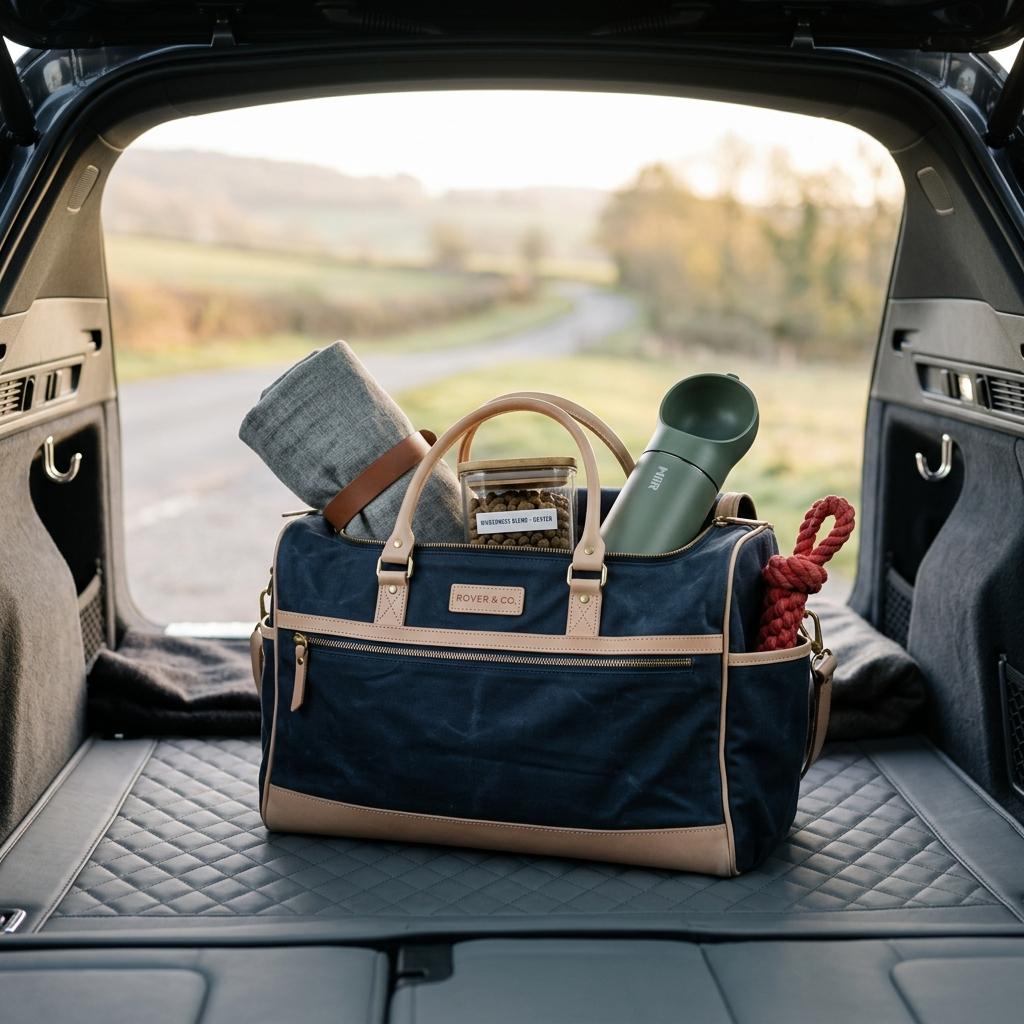
Since that freezing weekend, we travel with a dedicated mountain cottage setup. We pack a Ruffwear closed-cell insulated bed roll that rolls up like a yoga mat, topped with a fleece sherpa blanket carrying our home scent. We also carry a compact water filtration bottle to eliminate waterborne bugs. Now, whether we stay in a heritage Rajasthani fort or a rustic Himalayan log cabin, Shiro has his own warm, insulated five-star bedroom right beside our bed.
- A roll-up travel bed with a waterproof, closed-cell foam base prevents damp floor cold from penetrating your dog's sleeping pad.
- Using a portable gravity filter or bottled water prevents acute traveler's diarrhea caused by unfamiliar local water microorganisms.
- Compact non-slip silicone feeding placemats keep food bowls stationary on uneven rustic stone cottage tiles.
- Bringing your dog's familiar home blanket creates an immediate scent anchor that settles first-night travel anxiety.
Top Picks for Pet-Friendly Winter Homestay Setup
Ruffwear Mt. Bachelor Pad Portable Insulated Dog Bed
₹₹₹Best for: Insulating dogs from freezing stone floors in rustic mountain cottages
Features closed-cell recycled polyester high-loft polyfill bonded to an impermeable waterproof base. Rolls up compactly with integrated compression straps and carry handle.
Pros
- Impermeable cold-floor barrier
- Micro-suede soft sleeping surface
- Machine washable on gentle cycle
Tradeoffs
- Investment price point
- Large size requires luggage space
Chuckit! Travel Dog Bed Roll with Nylon Carry Bag
₹Best for: Budget-friendly portable travel cushion for weekend homestay trips
Durable ripstop nylon underside with a soft quilted poly-fleece top. Dries quickly, repels trail dirt, and fits into an included compact mesh sack.
Pros
- Very lightweight and compact
- Machine washable
- Affordable backup bed
Tradeoffs
- Thinner padding requires placing a towel underneath on freezing slate
LifeStraw Go Insulated Stainless Steel Water Filter Bottle
₹₹Best for: Filtering tap water at rural homestays to prevent bacterial gastrointestinal bugs
Advanced two-stage microfiltration membrane removes 99.999% of bacteria, parasites, and microplastics from unfamiliar homestay water taps.
Pros
- Guarantees safe drinking water anywhere
- Double-walled vacuum insulation
- Extremely durable steel casing
Tradeoffs
- Requires steady suction to draw water into dog bowl
Who Will Benefit Most
Always call your homestay host 48 hours prior to arrival to confirm pet rules: verify whether dogs are allowed in dining areas, if there are resident guard dogs, and whether room heaters are available.
Invest in an insulated travel bed with a closed-cell foam base; open-cell foam acts like a sponge, pulling dampness and cold straight up from unheated concrete floors.
When to Consider Alternatives
Never allow your dog to drink untreated stream water or standing puddle water near mountain villages; agricultural runoff and livestock waste frequently carry Giardia and Leptospira.
Do not leave your dog alone in a strange homestay room while you go sightseeing; unfamiliar sounds and isolation trigger separation barking and doorway scratching.
Important Considerations Before Buying
- Check your dog's tick and flea preventative status before traveling; hill station pines and rural orchards harbor abundant winter wood ticks.
- Bring along a multi-plug surge protector; older rural homestays often have only one working electrical outlet, which you may need for both your phone and a pet heating pad.
- Keep a clean set of dog booties or paw wipes right by the cottage door to clean mountain mud before entering carpeted guest rooms.
- Pack your dog's regular brand of kibble with two extra days of food; rural mountain towns rarely carry premium canine nutrition brands.
Practical Tips for Daily Use
- Set up your dog's travel bed within five minutes of entering the room, placing their favorite chew toy on it so they immediately recognize their safe territory.
- Take your dog on a leashed 10-minute walk around the property perimeter to let them sniff and process the new environment before unpacking.
- Place a folded bath towel beneath their portable bed on freezing nights to create a secondary thermal air gap.
- Always tip the homestay housekeeping staff generously upon checkout as an appreciative gesture for welcoming four-legged guests.
Final Recommendations on Pet-Friendly Winter Homestay Setup
Traveling with Shiro to off-beat winter homestays has given us some of our most unforgettable family memories.
With thoughtful floor insulation, clean water protocols, and respect for our hosts' spaces, mountain cottages become warm homes away from home.
Share this guide
Found this useful? Share it with other dog parents.
Share this guide: