ShiroFinds
Health & Daily Care

A Practical Dog First Aid Kit for Indian Homes: What You Genuinely Need

ShiroFindsPublished April 12, 202611 min readUpdated April 12, 2026

Some links on this site may be affiliate links. As an Amazon Associate, we may earn from qualifying purchases at no extra cost to you.
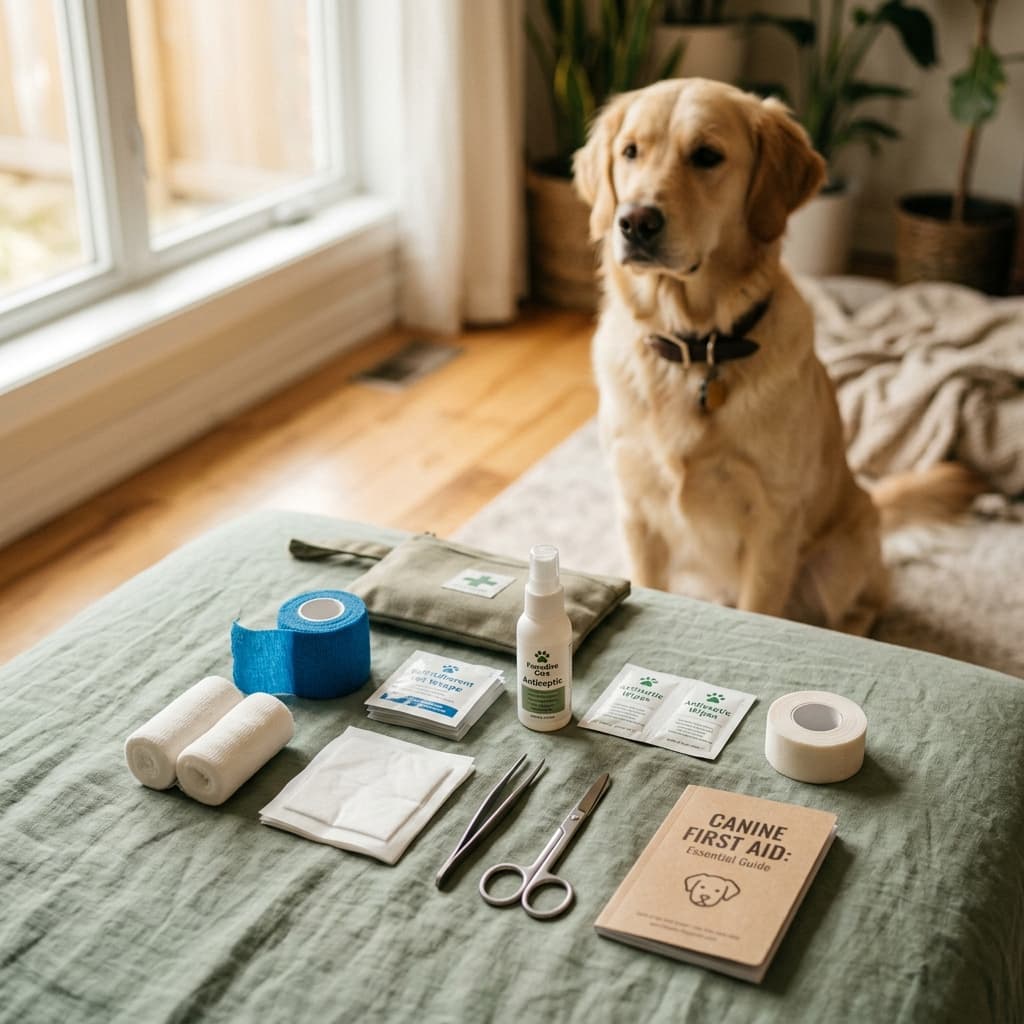
A Practical Dog First Aid Kit for Indian Homes: What You Genuinely Need

Shit happens: literally and figuratively. Whether it's a torn nail from a rough play session or a minor scrape from a stray branch, having the right first aid tools at home is the difference between a calm cleanup and a panicked trip to the ER.

Most pet parents don't think about first aid until the moment they see blood. By then, it's too late to start scrolling through Amazon. A half-baked kit is just as dangerous as no kit at all.

Curated Selection

The Perspective

I started our kit after Shiro caught his dewclaw on a hiking trail. I had nothing but a paper towel and hope. Now, we keep a dedicated pouch that follows us on every trip. The core of any kit isn't just the 'stuff': it's the knowledge of how to use it to keep your dog calm while you assess the situation.

In the Indian climate, we also prioritize items like saline wash for eye dust and a digital thermometer. Heatstroke can happen faster than you think in a Delhi summer, and knowing his temperature before calling the vet is a critical piece of information.

Curated Selection

What actually worked for Shiro

Microdacyn60 / Dog-Safe Antiseptic Spray

₹₹

Best for: Cleaning minor cuts and scrapes without stinging

A non-toxic, painless spray that helps kill bacteria and promote healing. Much better than traditional Iodine for squirmy dogs.

Pros

  • Non-stinging
  • Promotes healing
  • Safe if licked

Tradeoffs

  • Slightly more expensive than basic antiseptic
View on Amazon

Styptic Powder (Stop Bleeding Powder)

Best for: Instantly stopping blood from a broken nail or minor nick

If you've ever cut a nail too short, you know the panic. This powder stops the bleeding in seconds. A 'must-have' for every home groomer.

Pros

  • Clots blood instantly
  • Easy to apply
  • Very affordable

Tradeoffs

  • Can sting slightly upon application
View on Amazon

Cohesive Self-Adherent Bandage (Vet Wrap)

Best for: Securing gauze without sticking to the dog's fur

Traditional tape is a nightmare for hairy breeds. This wrap sticks only to itself, providing support and protection that is easy to remove.

Pros

  • Doesn't stick to fur
  • Breathable
  • Easy to cut by hand

Tradeoffs

  • Can be overtightened easily; must be careful
View on Amazon
Curated Selection

Why this guide matters

Shit happens: literally and figuratively. Whether it's a torn nail from a rough play session or a minor scrape from a stray branch, having the right first aid tools at home is the difference between a calm cleanup and a panicked trip to the ER. Most pet parents don't think about first aid until the moment they see blood. By then, it's too late to start scrolling through Amazon. A half-baked kit is just as dangerous as no kit at all. The goal isn’t to find the flashiest item on a product page. It’s to choose gear that makes daily dog care easier, cleaner, and more consistent for the household using it.

That usually means balancing durability, ease of cleanup, comfort for the dog, and how realistic the product feels inside a real routine. In this guide, the focus stays on stocking items that allow you to stabilize minor issues at home and buy time during serious ones, because those details tend to matter more than novelty features once the product is part of everyday life.

It’s also worth thinking about replacement fatigue. Many pet owners spend more over a year by rebuying low-fit products than they would by choosing one durable option from the start. A practical recommendation should help readers avoid that cycle by making the fit criteria clear before they spend money.

This guide focuses on practical use rather than hype-first rankings. Each section covers use case, tradeoffs, and what to expect from a product once it becomes part of a real daily routine, not just the first day of ownership.

What to compare before buying

I started our kit after Shiro caught his dewclaw on a hiking trail. I had nothing but a paper towel and hope. Now, we keep a dedicated pouch that follows us on every trip. The core of any kit isn't just the 'stuff': it's the knowledge of how to use it to keep your dog calm while you assess the situation.

In the Indian climate, we also prioritize items like saline wash for eye dust and a digital thermometer. Heatstroke can happen faster than you think in a Delhi summer, and knowing his temperature before calling the vet is a critical piece of information.

When evaluating options, focus on long-term friction points: setup time, cleaning effort, storage footprint, and how quickly the product can be reset after use. Those details often decide whether a good product stays in daily rotation or gets pushed into a closet after the first week.

  • Antiseptics should be dog-safe and non-stinging (avoid strong human alcohols).
  • Styptic powder is a literal lifesaver for quick-bleeding nails.
  • Self-adhesive bandages (Vet wrap) won't stick to fur, making removal easier.
  • Digital thermometers are essential for checking for heatstroke in our climate.

Standout options worth shortlisting

A good shortlist should include a few different fits instead of one “perfect” answer. Some dogs need more structure, some homes need easier cleanup, and some buyers simply need something sturdy enough to last through daily use without turning into another replacement purchase in a month.

Each pick below is chosen for a different fit. Some households need the most durable option. Others need the easiest cleanup. And some buyers just need a reliable choice that holds up through daily use without becoming a replacement purchase in six weeks.

As you compare picks, imagine the first thirty days of use rather than the unboxing moment. Ask whether the product will still feel helpful after repeated washing, weekly resets, and normal household wear. The best shortlist is the one that still makes sense after novelty fades.

Microdacyn60 / Dog-Safe Antiseptic Spray

₹₹

Best for: Cleaning minor cuts and scrapes without stinging

A non-toxic, painless spray that helps kill bacteria and promote healing. Much better than traditional Iodine for squirmy dogs.

Pros

  • Non-stinging
  • Promotes healing
  • Safe if licked

Tradeoffs

  • Slightly more expensive than basic antiseptic
View on Amazon

Styptic Powder (Stop Bleeding Powder)

Best for: Instantly stopping blood from a broken nail or minor nick

If you've ever cut a nail too short, you know the panic. This powder stops the bleeding in seconds. A 'must-have' for every home groomer.

Pros

  • Clots blood instantly
  • Easy to apply
  • Very affordable

Tradeoffs

  • Can sting slightly upon application
View on Amazon

Cohesive Self-Adherent Bandage (Vet Wrap)

Best for: Securing gauze without sticking to the dog's fur

Traditional tape is a nightmare for hairy breeds. This wrap sticks only to itself, providing support and protection that is easy to remove.

Pros

  • Doesn't stick to fur
  • Breathable
  • Easy to cut by hand

Tradeoffs

  • Can be overtightened easily; must be careful
View on Amazon

Who should buy this type of product

Build this kit now if your dog is active, clumsy, or if you live far from a 24/7 clinic. It’s about being proactive rather than reactive.

It makes a great 'housewarming' gift for new pet parents who might haven't thought about safety infrastructure yet.

Buyers usually get better results when they define success ahead of time. That can mean less floor mess after meals, quicker post-walk cleanup, calmer car trips, or fewer replacement purchases. A clear outcome helps narrow product choices quickly and prevents overbuying.

Who should skip or keep expectations modest

Skip the expensive 'pre-prepared' kits unless they specifically list dog-safe ingredients. Many contain human-grade meds that can be toxic for dogs.

Don't replace a vet visit with a first aid kit. The kit is for minor issues or for stabilization on the way to the clinic.

Skipping a product for now can be the smart choice, especially when routine habits are still changing. Many households benefit more from improving setup, storage, and consistency first, then adding targeted products once the daily pattern is stable.

Key considerations before you click buy

Most disappointing pet purchases aren’t terrible products. They are mismatched products. A setup that works for a short-coated apartment dog may be frustrating for a heavy shedder in a busy family home, and a travel accessory that feels compact online may still be annoying to store or clean in practice.

Before buying, compare the product against your dog’s size, coat, habits, supervision needs, and the amount of maintenance you are actually willing to do. The goal is to help avoid a mismatch, not push the most expensive option every time.

Budget planning is part of fit as well. A lower upfront price can still be expensive if the item wears quickly or creates ongoing refill costs. Looking at both purchase price and maintenance overhead gives a better view of true value for everyday use.

  • Check expiration dates on sprays and ointments every 6 months.
  • Know your dog's 'normal' temperature (usually 101°F to 102.5°F).
  • Keep the kit in a high-visibility, easy-access spot.
  • Include a spare leash and a muzzle, as even the sweetest dog can nip when in pain.

Simple ways to get more value from it

Even a well-chosen product works better when the setup around it’s simple. Keep the item where you already do the task, pair it with one or two supporting essentials, and make sure everyone in the home understands the routine. That reduces friction and makes the product feel useful rather than aspirational.

For dog households, consistency usually beats intensity. Short brushing sessions, a repeatable travel kit, or a feeding setup that is easy to reset after meals will outperform complicated systems that look nice on day one and then get ignored.

If possible, run a short two-week trial mindset after buying. Note what feels easier, what still causes friction, and what part of the routine needs adjustment. Small tweaks in placement, storage, or timing often unlock more value than replacing the product immediately.

  • Practice wrapping a 'fake' injury on a calm day so you aren't learning during a crisis.
  • Keep your vet's emergency number and the nearest 24-hour clinic address inside the kit.
  • Use treats during 'home doctoring' to associate the kit with positive things.
  • If using styptic powder, pack it firmly against the bleeding area for 5-10 seconds.

Final take

A first aid kit is the investment you hope you never have to use, but you'll be profoundly grateful for it the second you do.

Preparation is the ultimate form of love. By having these tools ready, you’re telling Shiro: 'I've got your back, no matter what happens.'

A practical buying decision is usually one that keeps working quietly in the background of daily life. When a product supports routine without creating extra hassle, it earns its place. That is the standard used for every recommendation here.

Share this guide

Found this useful? Share it with other dog parents.

Pinterest Save

Save this guide for later

Pin this post to your dog-care board so your shortlist and buying notes are easy to revisit.

Continue Reading

Related guides