Robotic Pet Hair Vacuums with Tangle-Free Rubber Extractors: Managing Heavy Winter Undercoat Shedding
Some links on this site may be affiliate links. As an Amazon Associate, we may earn from qualifying purchases at no extra cost to you.
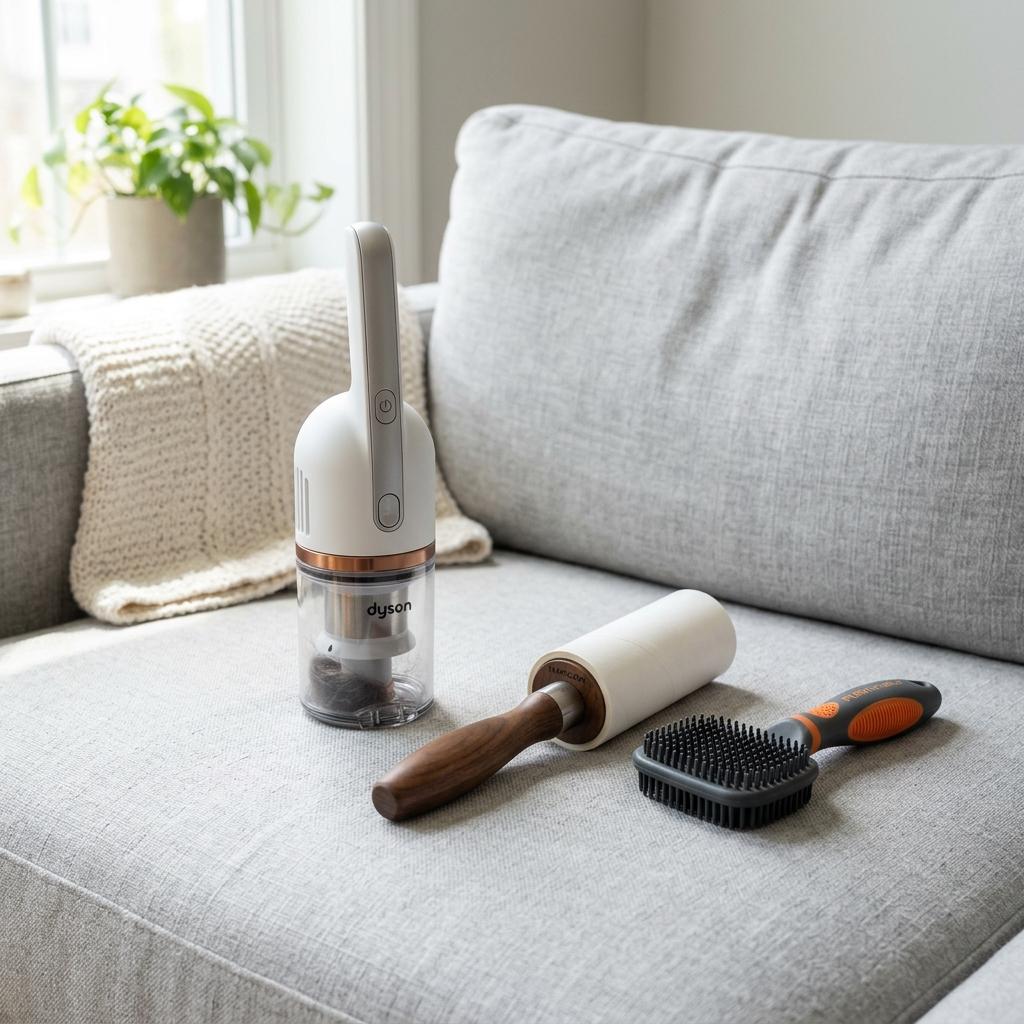
Understanding Robotic Pet Hair Vacuums with Tangle-Free Rubber Extractors
If you share an apartment with a double-coated dog in November, you already know the sinking feeling of sweeping your living room floor at 9:00 AM, only to find fresh tumbleweeds of golden fur drifting across the hallway by noon.
Double-coated breeds shed continuously during their winter coat blowout. Traditional robotic vacuums with bristled brush rollers are useless: long golden undercoat hair wraps tightly around the bristles within ten minutes, seizing the motor bearings and requiring tedious scissor-cutting maintenance after every single run.
Key Factors when Evaluating Robotic Pet Hair Vacuums with Tangle-Free Rubber Extractors
For Shiro's first two years, keeping our apartment clean during the November coat blowout felt like a full-time job. I was vacuuming manually twice a day, and our first robotic vacuum had cheap bristled rollers that jammed constantly. Hair would wrap so tightly around the roller axle that the plastic melted from friction heat. I spent more time cutting hair out of the vacuum with a craft blade than the robot spent cleaning.
We finally upgraded to an iRobot Roomba with dual tangle-free rubber extractors and an automatic dirt disposal tower. It was life-changing. The grooved rubber rollers flex and grab long undercoat strands, feeding them straight into the high-suction vacuum chamber without a single knot. We programmed the Roomba to run a 45-minute circuit while we take Shiro for his morning walk. Walking back into an apartment with gleaming, fur-free marble floors every morning took away 90% of our daily household stress.
- Dual multi-surface rubber rollers use mechanical flex to channel long hair directly into the suction channel without wrapping around bristles.
- Automated self-emptying base stations seal pet hair and fine dander inside hypoallergenic bags, preventing dust clouds during disposal.
- LiDAR navigation and optical cameras accurately detect and avoid dog toys, water bowls, and sleeping pets without getting stuck.
- Scheduling two automatic thirty-minute sweeps daily keeps apartment floors pristine without lifting a manual broom.
Top Picks for Robotic Pet Hair Vacuums with Tangle-Free Rubber Extractors
iRobot Roomba j7+ Self-Emptying Robot Vacuum with Dual Rubber Brushes
₹₹₹Best for: The gold standard in tangle-free pet hair extraction and pet waste avoidance
Features patented dual multi-surface rubber brushes that never wrap with long fur. PrecisionVision navigation identifies and avoids dog toys, cords, and pet accidents automatically.
Pros
- Tangle-free dual rubber extractors
- Guaranteed pet waste avoidance
- Automatic self-emptying base holds 60 days of fur
Tradeoffs
- Higher upfront investment
ECOVACS Deebot T20 Omni Robot Vacuum and Hot Water Mop
₹₹₹Best for: All-in-one vacuuming and hot-water mopping to remove muddy winter paw tracks
Delivers 6000Pa powerful suction paired with hot-water mop washing that dissolves dried street mud and paw prints. Automatic mop lifting keeps rugs bone dry.
Pros
- 6000Pa high suction lifts deep hair from rugs
- Hot water mopping dissolves muddy paw prints
- All-in-one cleaning station
Tradeoffs
- Large base station requires dedicated corner space
Dreame L10s Ultra Robot Vacuum and Mop Combo
₹₹₹Best for: High-value advanced AI navigation with rubber roller and self-cleaning dock
Combines 5300Pa suction with an all-rubber roller brush that resists hair tangles. AI 3D obstacle avoidance navigates smoothly around sleeping dogs.
Pros
- Rubber roller brush resists hair wrap
- Whisper-quiet operation won't alarm nervous pets
- Excellent app mapping controls
Tradeoffs
- Dock dust bags require periodic replacement
Who Will Benefit Most
Insist on vacuums with all-rubber or dual rubber roller systems; bristled brush rollers are fundamentally incompatible with long-haired double-coated breeds like Golden Retrievers.
Choose a model with a self-emptying dock; small internal robot dustbins fill up with dog fur in under fifteen minutes during peak shedding season.
When to Consider Alternatives
Avoid cheap budget robot vacuums that use random bump navigation; they constantly get trapped under chairs, bump into water bowls, and miss 40 percent of the floor.
Do not run robot vacuums on wet floors after bathing; vacuuming wet hair and soapy moisture damages internal vacuum suction motors and ruins HEPA filters.
Important Considerations Before Buying
- Desensitize sound-sensitive dogs to the robot vacuum gradually: let them inspect it while powered off, rewarding them with high-value treats before running it.
- Set up 'No-Go Zones' in the mobile app around your dog's primary sleeping bed and water bowl station to prevent accidental disturbances.
- Check and clean the front caster wheel once a month, as fine undercoat hairs can collect around the steering axle.
- Replace the vacuum's pleated HEPA filter every two months during peak shedding to maintain maximum suction airflow.
Practical Tips for Daily Use
- Schedule the robot vacuum to run immediately after you leave for morning walks; your dog avoids the moving machine and you return to a spotless home.
- Do a quick 30-second sweep of the floor before leaving to pick up squeaker toys, raw chews, or loose charging cables.
- Run the vacuum on high-suction mode across hallway runner rugs to pull embedded undercoat hairs out of dense rug fibers.
- Empty the self-emptying dock bag every 4 to 6 weeks, tapping the pre-filter gently into the trash to maintain peak performance.
Final Recommendations on Robotic Pet Hair Vacuums with Tangle-Free Rubber Extractors
A high-quality robot vacuum with rubber rollers is not a luxury gadget; it is the ultimate peace-of-mind tool for living happily with a heavy-shedding dog.
Our apartment floors stay pristine, Shiro sheds freely without guilt, and we get hours of our week back.
Share this guide
Found this useful? Share it with other dog parents.
Share this guide: