High-Value Training Treats and Best Pouches for Positive Rewards
Some links on this site may be affiliate links. As an Amazon Associate, we may earn from qualifying purchases at no extra cost to you.
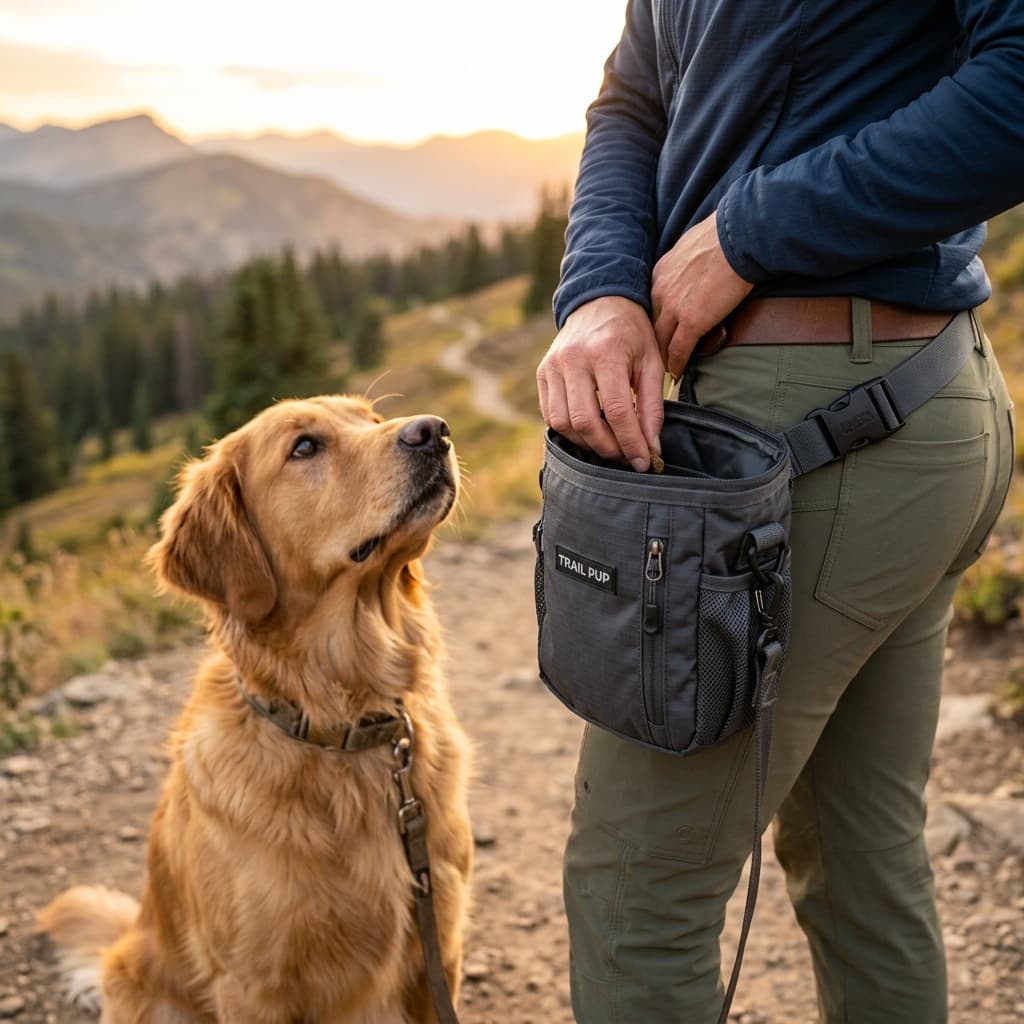
Understanding High-Value Training Treats and Best Pouches for Positive Rewards
When we started training, I was using Shiro's regular kibble as a reward. He looked at me like I was offering him cardboard. The moment I switched to 'the good stuff,' his focus quadrupled. It turns out, even dogs have a price.
Many owners struggle with training because they are using low-value rewards in high-distraction environments. If you’re asking for a 'Stay' while a squirrel is running by, you better have something better than basic biscuit dust in your pocket.
Key Factors when Evaluating High-Value Training Treats and Best Pouches for Positive Rewards
I used to carry treats in a plastic baggie, which meant I was always fumbling with a zip-lock while Shiro was already onto the next distraction. Moving to a silicone 'quick-clip' pouch was a game changer. It stays open when I need it and snaps shut when I’m moving: plus, it’s dishwasher safe.
For the treats themselves, we use a hierarchy. Kibble is for 'sit' in the living room. Jerky is for 'come' in the garden. And 'the nuclear option' (usually boiled liver or premium chicken sticks) is for recall in the park. Training is a negotiation, and you need to know your dog's currency.
- High-value treats should be 'smelly, soft, and small' (SS&S).
- Avoid dry biscuits for active training; they take too long to chew and can cause choking.
- A dedicated pouch keeps your pockets from smelling like liver and makes timing rewards easier.
- Consistency in your reward system builds a faster 'click' in the dog's mind.
Top Picks for High-Value Training Treats and Best Pouches for Positive Rewards
Silicone Magnetic Treat Pouch
₹Best for: Fast-access rewarding and easy cleanup
This pouch clips to your waistband and has a magnetic closure that means you can reach in with one hand and it snaps shut afterward. No zippers, no mess.
Pros
- Dishwasher safe
- One-handed access
- Doesn't absorb odors
Tradeoffs
- Can only hold a modest amount of treats
Premium Soft-Jerky Training Treats
₹₹Best for: High-focus sessions where speed and taste matter
Small, soft, and highly aromatic. These don't crumble in your pocket and they're gone in one gulp, keeping the momentum of the session high.
Pros
- Highly motivating
- Easy to break into smaller bits
- Low calorie per piece
Tradeoffs
- Must keep the bag sealed to prevent drying out
Treat-Dispensing 'Squeeze' Toy
₹₹Best for: Reward-based distraction during grooming or vet visits
Sometimes you need a reward that lasts longer than a second. Filling a small rubber holder with wet food or peanut butter provides a high-value 'payoff' for staying still.
Pros
- Extends the reward time
- Highly engaging
- Great for focus work
Tradeoffs
- Messier than dry treats
Who Will Benefit Most
Upgrade your training gear if you feel your dog is 'ignoring' you in public. Often, they just aren't being offered a good enough reason to listen.
Best for anyone currently in a puppy class or working through reactive behavior training.
When to Consider Alternatives
Skip the oversized 'bone' biscuits for training; they take too long to eat and break the dog’s focus from the task.
Don't rely on a 'fanny pack' that isn't specifically designed for treats: it's hard to clean and usually too slow to open.
Important Considerations Before Buying
- Choose treat sizes smaller than a pea to allow for many repetitions without overfeeding.
- Deduct the calories of your training treats from their daily meal portion.
- Look for treats with limited ingredients and no added sugars.
- Check that your pouch is easily washable, as high-value treats are often greasy.
Practical Tips for Daily Use
- Use 'variable reinforcement' once a behavior is learned (sometimes they get a treat, sometimes just a pet).
- Keep a 'loaded' treat pouch near the door so you're always ready for training opportunities.
- Wash your silicone pouch after every session with oily treats like liver or cheese.
- Train *before* meals so the motivation (hunger) is naturally higher.
Final Recommendations on High-Value Training Treats and Best Pouches for Positive Rewards
Communication with your dog is easier when you speak the same language. For most dogs, that language is 'Really Good Snacks.'
A treat pouch isn't just a container; it's a tool that helps you be the most interesting thing in your dog’s world.
Share this guide
Found this useful? Share it with other dog parents.
Share this guide: