Best Grooming Brushes for Golden Retrievers
Some links on this site may be affiliate links. As an Amazon Associate, we may earn from qualifying purchases at no extra cost to you.
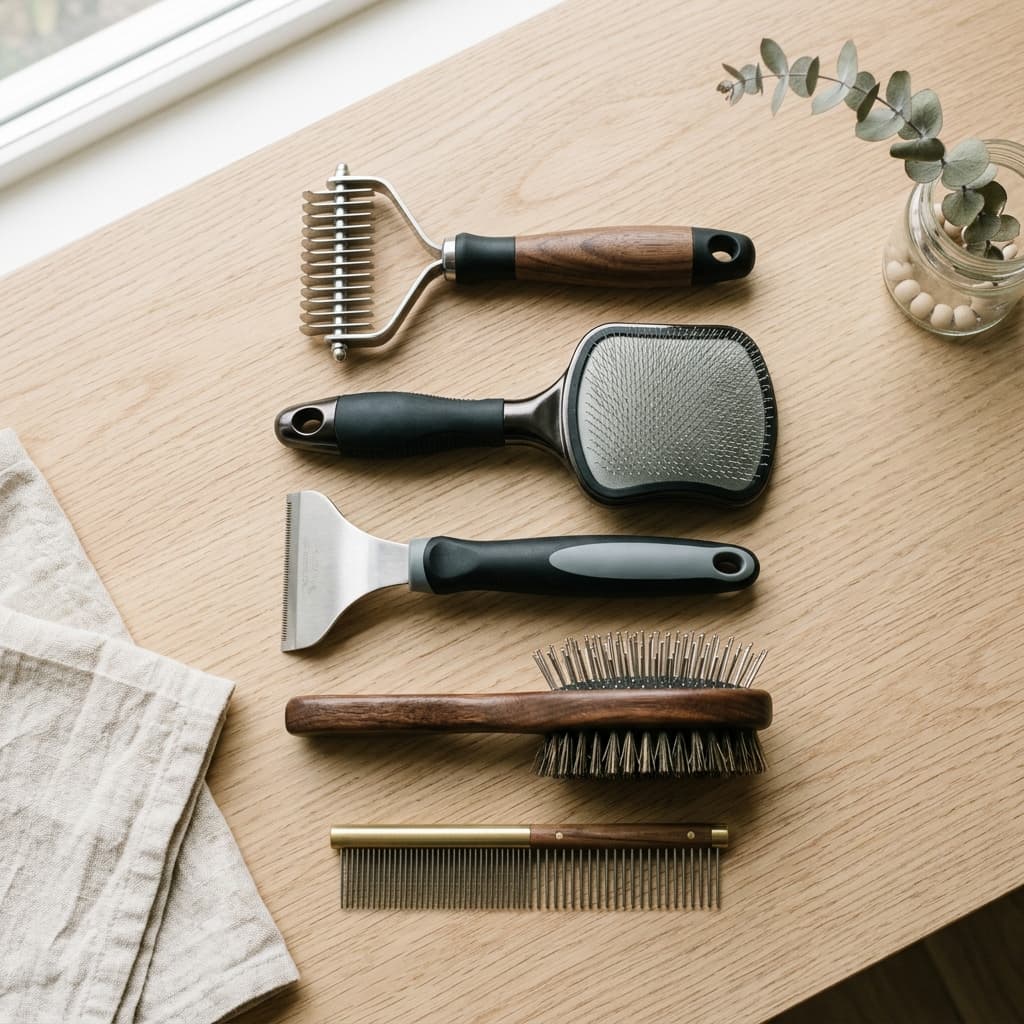
Understanding Best Grooming Brushes for Golden Retrievers
I used to find Shiro’s golden fur in my morning coffee, on my favorite black work pants, and definitely drifted across the kitchen tile. At first, I was fighting the mess, but then I realized: every tuft I brushed out was a chance for us to bond. Brushing isn't just a chore anymore; it's Shiro's favorite evening routine.
For a long time, I bought generic brushes that barely scratched the surface, leaving Shiro uncomfortable and my floors still covered in fluff. The struggle isn't just about the hair: it's about finding tools that make the process gentle enough for him to actually enjoy it.
Key Factors when Evaluating Best Grooming Brushes for Golden Retrievers
For golden retrievers, brushing comfort and coat reach are usually the biggest variables. A soft slicker can help with feathering and surface tangles, while a dedicated undercoat tool is better for the thicker loose fur that appears around seasonal coat change. One tool rarely does both jobs equally well.
It also helps to think in terms of session length. A brush that feels fine for a two-minute tidy-up may become awkward during a full coat session. Grip, head shape, and how easily the brush releases trapped fur all affect how often you will actually use it.
- Pin density and flexibility matter more than oversized brush heads for regular coat work.
- An undercoat tool should lift loose fur without scraping skin or thinning healthy topcoat.
- Comfortable handles make a difference when brushing a large dog for ten minutes or longer.
- Easy-clean brush heads save time and make the tool more likely to stay in rotation.
Top Picks for Best Grooming Brushes for Golden Retrievers
Wahl Self-Cleaning Slicker Brush
₹₹Best for: Routine surface grooming and feathering
A professional-grade self-cleaning brush that makes hair removal instant. Perfect for Golden Retrievers with dense double coats.
Pros
- Instant hair release
- Large head for fast grooming
- Comfortable grip
Tradeoffs
- Slightly heavier than basic brushes
PetVcare Stainless Steel Grooming Rake
₹Best for: Seasonal shedding and thicker coat areas
Targeted for the deep undercoat where loose fur hides. perfect for reducing the 'floating hair' problem at home.
Pros
- Deep undercoat reach
- Durable stainless pins
- Great value
Tradeoffs
- Requires a gentle hand
PetVcare Double Sided Slicker Brush
₹Best for: Owners who want a reliable daily-use option
Flexible two-in-one brush for both detangling and smoothing the topcoat. A solid all-rounder for daily maintenance.
Pros
- Two tools in one
- Soft pins for sensitive skin
- Highly available
Tradeoffs
- Manual cleaning required
Who Will Benefit Most
This kind of setup makes sense for golden retriever owners who already know coat maintenance can’t be handled with a single rushed session once a week. If your dog sheds heavily around the house, swims often, or picks up debris in feathering, a better brush routine saves time later during cleaning and bathing.
It’s also worth buying for households that want less fur transfer on sofas, blankets, and clothing. Regular brushing with the right tool mix doesn’t stop shedding, but it can make the shedding much easier to manage and reduce how much loose coat ends up drifting through the home.
When to Consider Alternatives
Skip premium brush bundles if your dog has a shorter, simpler coat or if you are still figuring out whether your household will keep up with brushing consistently. A smaller, more focused tool set is often enough.
You should also keep expectations modest if you are looking for a brush to replace bathing, vacuuming, and lint removal completely. Brushing helps most when it’s one part of a broader maintenance routine rather than a miracle fix.
Important Considerations Before Buying
- Make sure you match the brush size to a medium-to-large dog so sessions don’t drag unnecessarily.
- Use lighter pressure on thinner feathering near legs, ears, and tail.
- Plan for a two-tool routine if your goal is both detangling and undercoat removal.
- Choose tools that are easy to clean so loose hair doesn’t stay packed in the bristles.
Practical Tips for Daily Use
- Brush in short sessions three to five times a week instead of one long session only on bath day.
- Keep a towel and a small lint bin nearby so cleanup stays quick.
- Start with a slicker and finish with an undercoat tool only where loose fur is actually building.
- Reward calm standing behavior so grooming stays easier over time.
Final Recommendations on Best Grooming Brushes for Golden Retrievers
For most golden retrievers, the best brush isn’t one heroic all-in-one tool. It’s a realistic pairing of a gentle daily brush and a stronger shed-season option used with restraint. That combination keeps the coat looking tidy without turning grooming into a battle.
The most useful recommendation here is the one that fits the dog, the coat, and the owner’s actual routine. Understanding use case matters more than rankings, especially for a coat type as specific as a golden retriever’s.
Share this guide
Found this useful? Share it with other dog parents.
Share this guide: