Grooming Kit Checklist for First-Time Dog Owners
Some links on this site may be affiliate links. As an Amazon Associate, we may earn from qualifying purchases at no extra cost to you.
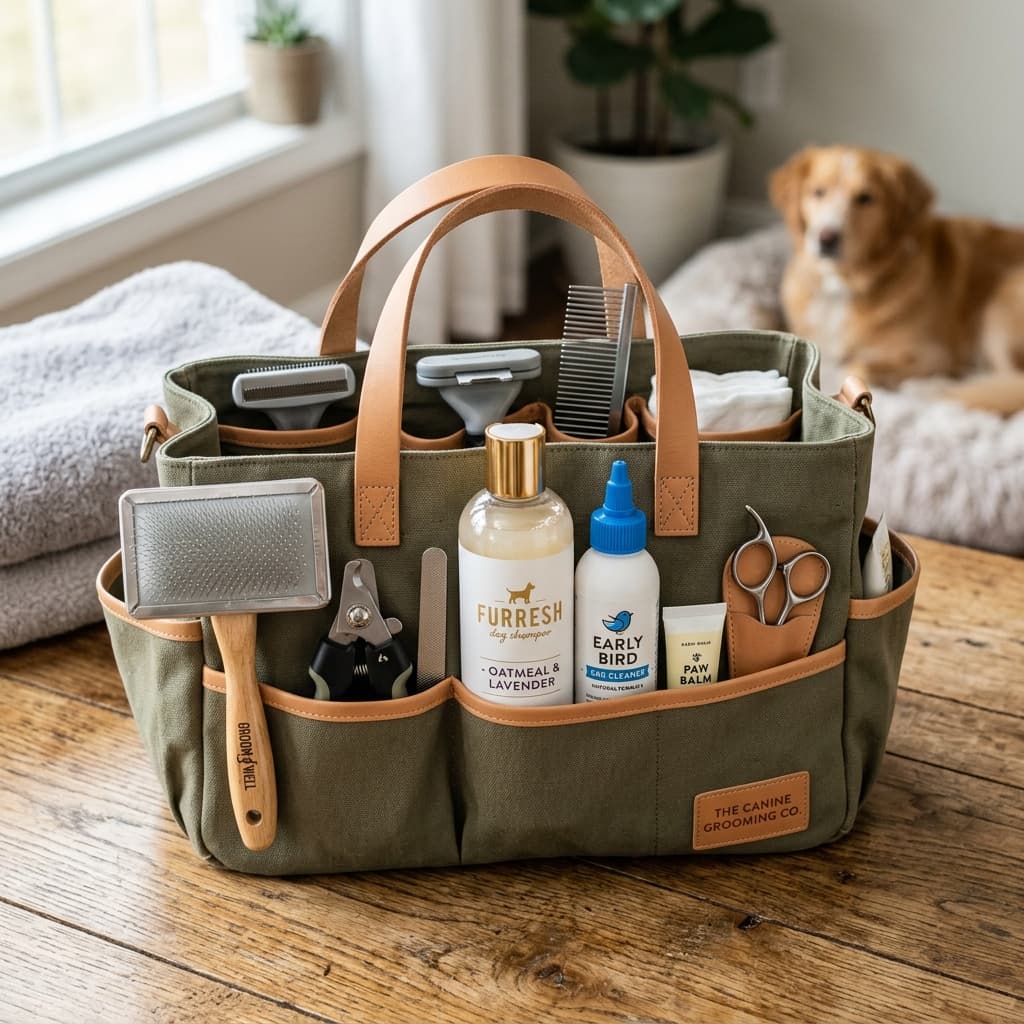
Understanding Grooming Kit Checklist for First-Time Dog Owners
New dog owners are often told to buy an entire shelf of grooming tools before they even understand their dog’s coat or routine.
That usually leads to clutter, confusion, and products that don’t match the dog’s needs well enough to get used consistently.
Key Factors when Evaluating Grooming Kit Checklist for First-Time Dog Owners
A first grooming kit should support confidence, not create more guesswork. The essentials usually include a coat tool, cleanup towel, nail care item, gentle wash product, and a place to keep everything together.
Beyond that, more isn’t always better. The right kit depends on coat type, lifestyle, and whether the owner plans to handle routine maintenance at home or use professional grooming help for certain tasks.
- One good brush is better than three mediocre tools you don’t understand.
- Choose towel, brush, and nail care tools based on coat type and tolerance for handling.
- Storage matters because a small kit is easier to keep stocked and visible.
- Simple routines are more sustainable than elaborate grooming systems.
Top Picks for Grooming Kit Checklist for First-Time Dog Owners
Starter Brush for Coat Type
$Best for: Regular upkeep without overbuying
Choose a brush that fits the dog’s actual coat rather than buying a generic multipack with tools that may never be used.
Pros
- Focused purchase
- Easy to learn
- Encourages routine use
Tradeoffs
- May need upgrading later
- One tool won’t solve every coat issue
Quick-Dry Dog Towel
$Best for: Baths, rainy walks, and muddy paws
A dedicated dog towel is one of the most useful low-cost additions to any home grooming kit.
Pros
- Highly practical
- Useful beyond bath day
- Easy to keep by the door or tub
Tradeoffs
- Needs washing often
- Very thin towels can feel ineffective
Compact Grooming Caddy
$Best for: Keeping supplies organized and accessible
A small storage bin or caddy turns scattered tools into a repeatable grooming setup.
Pros
- Reduces clutter
- Helps build routine
- Easy to move
Tradeoffs
- Can become crowded if overfilled
- Not every tool fits neatly
Who Will Benefit Most
This guide is ideal for first-time owners who want to feel prepared without overspending. A compact kit supports confidence and reduces the tendency to improvise every grooming task with whatever is nearby.
It’s also helpful for recent adopters whose dogs are still settling in. A consistent, low-fuss grooming routine can be gentler than jumping straight into complicated maintenance habits.
When to Consider Alternatives
Skip specialty tools until you understand your dog’s coat, tolerance, and maintenance needs better. Many dogs don’t need a highly specific tool right away.
You should also keep expectations realistic if your dog is nervous about handling. Training and short sessions often matter more than having every tool on the market.
Important Considerations Before Buying
- Build the kit around frequent tasks first, especially brushing and drying.
- Choose tools that feel easy to hold and clean after use.
- Keep the kit light enough to move where grooming happens.
- Leave room to swap tools later once you know your dog better.
Practical Tips for Daily Use
- Start with short, calm sessions and reward cooperation generously.
- Keep a small towel in the kit even if you also store extras by the door.
- Restock wipes, shampoo, or nail supplies before they run fully out.
- Review the kit after a month and remove anything you haven’t used once.
Final Recommendations on Grooming Kit Checklist for First-Time Dog Owners
A first grooming kit should make care feel approachable. If the setup is simple, visible, and matched to the dog, it’s much more likely to become part of normal life.
That same simplicity makes for stronger content. Readers looking for beginner guidance usually need clarity and restraint more than long product dumps.
Share this guide
Found this useful? Share it with other dog parents.
Share this guide: