ShiroFinds
Health & Daily Care

Dog Sunscreen? Protecting Your Pet from UV Exposure

ShiroFindsPublished April 14, 20268 min read

Some links on this site may be affiliate links. As an Amazon Associate, we may earn from qualifying purchases at no extra cost to you.
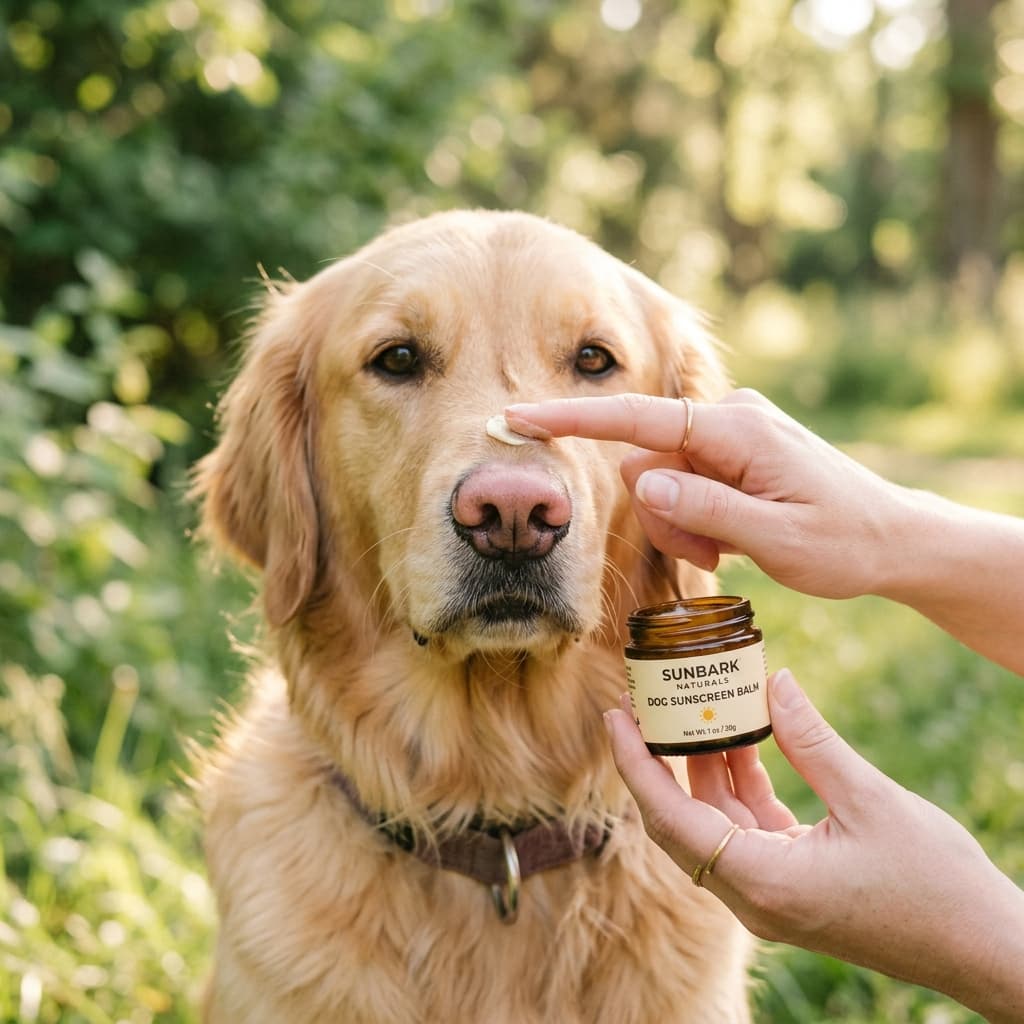
Dog Sunscreen? Protecting Your Pet from UV Exposure

I noticed Shiro’s nose getting a bit pinker after our long Sunday morning park sessions. It never occurred to me that he could get a sunburn right under his fur.

UV radiation can cause painful burns and increase the risk of skin cancer (hemangiosarcoma) in dogs, especially those with white fur, thin coats, or pink pigment on their noses and ears.

Curated Selection

The Perspective

We tried a spray vs. a stick applicator. Shiro was suspicious of the 'hiss' of the spray near his face, so we moved to a balm-style stick. It’s like a giant lip balm: easy to swipe across his nose and the edges of his ears in seconds. It has significantly reduced the redness he used to get after a beach day.

In India, the sun is incredibly intense. We found that the best defense is still shade, but for those times when we are on a summer hike, a quick application of dog-safe SPF 30 lets him explore without the risk of a literal 'hot nose.' It’s a tiny step that provides a lot of long-term health peace of mind.

Curated Selection

What actually worked for Shiro

Epi-Pet Sun Protector Spray for Pets

₹₹₹

Best for: Broad coverage for dogs with thin coats or white fur

The only FDA-compliant sunscreen for dogs. It’s non-greasy, non-oily, and safe if licked. Perfect for misting over the entire body of a short-haired dog.

Pros

  • FDA compliant
  • Lick safe
  • Broad spectrum

Tradeoffs

  • Spray sound can spook some dogs
View on Amazon

Warren London Dog Sunscreen with Aloe Vera

₹₹

Best for: Moisturizing and protecting sensitive pink skin

A gentle cream that also contains Aloe Vera to soothe any existing irritation. It’s perfect for the nose and ears where the skin is most delicate.

Pros

  • Soothing Aloe
  • Easy to apply
  • Smells great

Tradeoffs

  • Can be a bit greasy
View on Amazon

UPF 50+ Cooling Dog Sun Shirt

₹₹

Best for: Dogs who spend all day outdoors or have medical skin sensitivity

Think of it as a rash guard for your dog. It blocks 98% of UV rays and can be soaked in water to provide a cooling effect through evaporation.

Pros

  • No chemicals needed
  • Reusable
  • Cooling benefit

Tradeoffs

  • Requires finding the right fit
View on Amazon
Curated Selection

Why this guide matters

I noticed Shiro’s nose getting a bit pinker after our long Sunday morning park sessions. It never occurred to me that he could get a sunburn right under his fur. UV radiation can cause painful burns and increase the risk of skin cancer (hemangiosarcoma) in dogs, especially those with white fur, thin coats, or pink pigment on their noses and ears. The goal isn’t to find the flashiest item on a product page. It’s to choose gear that makes daily dog care easier, cleaner, and more consistent for the household using it.

That usually means balancing durability, ease of cleanup, comfort for the dog, and how realistic the product feels inside a real routine. In this guide, the focus stays on applying specialized, non-toxic UV barriers to high-risk areas during peak sun hours, because those details tend to matter more than novelty features once the product is part of everyday life.

It’s also worth thinking about replacement fatigue. Many pet owners spend more over a year by rebuying low-fit products than they would by choosing one durable option from the start. A practical recommendation should help readers avoid that cycle by making the fit criteria clear before they spend money.

This guide focuses on practical use rather than hype-first rankings. Each section covers use case, tradeoffs, and what to expect from a product once it becomes part of a real daily routine, not just the first day of ownership.

What to compare before buying

We tried a spray vs. a stick applicator. Shiro was suspicious of the 'hiss' of the spray near his face, so we moved to a balm-style stick. It’s like a giant lip balm: easy to swipe across his nose and the edges of his ears in seconds. It has significantly reduced the redness he used to get after a beach day.

In India, the sun is incredibly intense. We found that the best defense is still shade, but for those times when we are on a summer hike, a quick application of dog-safe SPF 30 lets him explore without the risk of a literal 'hot nose.' It’s a tiny step that provides a lot of long-term health peace of mind.

When evaluating options, focus on long-term friction points: setup time, cleaning effort, storage footprint, and how quickly the product can be reset after use. Those details often decide whether a good product stays in daily rotation or gets pushed into a closet after the first week.

  • Never use human sunscreen: it often contains Zinc Oxide or Salicylates which are toxic if licked.
  • Dog-safe formulas are lick-safe and won't cause digestive upset.
  • I recommend the 'hot spots': the bridge of the nose, tips of the ears, and the belly for sunbathers.
  • UPF-rated clothing (sun-shirts) is a great alternative for dogs who hate creams.

Standout options worth shortlisting

A good shortlist should include a few different fits instead of one “perfect” answer. Some dogs need more structure, some homes need easier cleanup, and some buyers simply need something sturdy enough to last through daily use without turning into another replacement purchase in a month.

Each pick below is chosen for a different fit. Some households need the most durable option. Others need the easiest cleanup. And some buyers just need a reliable choice that holds up through daily use without becoming a replacement purchase in six weeks.

As you compare picks, imagine the first thirty days of use rather than the unboxing moment. Ask whether the product will still feel helpful after repeated washing, weekly resets, and normal household wear. The best shortlist is the one that still makes sense after novelty fades.

Epi-Pet Sun Protector Spray for Pets

₹₹₹

Best for: Broad coverage for dogs with thin coats or white fur

The only FDA-compliant sunscreen for dogs. It’s non-greasy, non-oily, and safe if licked. Perfect for misting over the entire body of a short-haired dog.

Pros

  • FDA compliant
  • Lick safe
  • Broad spectrum

Tradeoffs

  • Spray sound can spook some dogs
View on Amazon

Warren London Dog Sunscreen with Aloe Vera

₹₹

Best for: Moisturizing and protecting sensitive pink skin

A gentle cream that also contains Aloe Vera to soothe any existing irritation. It’s perfect for the nose and ears where the skin is most delicate.

Pros

  • Soothing Aloe
  • Easy to apply
  • Smells great

Tradeoffs

  • Can be a bit greasy
View on Amazon

UPF 50+ Cooling Dog Sun Shirt

₹₹

Best for: Dogs who spend all day outdoors or have medical skin sensitivity

Think of it as a rash guard for your dog. It blocks 98% of UV rays and can be soaked in water to provide a cooling effect through evaporation.

Pros

  • No chemicals needed
  • Reusable
  • Cooling benefit

Tradeoffs

  • Requires finding the right fit
View on Amazon

Who should buy this type of product

Get sunscreen for your dog if they have a light-colored nose, white fur, or if you live in a high-UV region. It’s especially critical for breeds like Dalmatians, Boxers, and Pitbulls.

A must-have for beach trips or high-altitude mountain hiking where the UV index is significantly higher.

Buyers usually get better results when they define success ahead of time. That can mean less floor mess after meals, quicker post-walk cleanup, calmer car trips, or fewer replacement purchases. A clear outcome helps narrow product choices quickly and prevents overbuying.

Who should skip or keep expectations modest

Skip any product that contains Zinc Oxide or PABA. These are common in human sunscreens and are toxic to dogs if they lick their fur.

Don't rely on a 'quick wipe' of baby sunscreen; while less toxic than adult versions, they are still not designed for a dog's skin pH or ingestion.

Skipping a product for now can be the smart choice, especially when routine habits are still changing. Many households benefit more from improving setup, storage, and consistency first, then adding targeted products once the daily pattern is stable.

Key considerations before you click buy

Most disappointing pet purchases aren’t terrible products. They are mismatched products. A setup that works for a short-coated apartment dog may be frustrating for a heavy shedder in a busy family home, and a travel accessory that feels compact online may still be annoying to store or clean in practice.

Before buying, compare the product against your dog’s size, coat, habits, supervision needs, and the amount of maintenance you are actually willing to do. The goal is to help avoid a mismatch, not push the most expensive option every time.

Budget planning is part of fit as well. A lower upfront price can still be expensive if the item wears quickly or creates ongoing refill costs. Looking at both purchase price and maintenance overhead gives a better view of true value for everyday use.

  • Check if your dog’s coat is thinning (from age or medical issues), as this exposes more skin to UV.
  • Always apply 15 minutes before going outside to let it absorb.
  • Re-apply after swimming or heavy rolling in the grass.
  • Look for 'Unscented' if your dog is sensitive to perfumes.

Simple ways to get more value from it

Even a well-chosen product works better when the setup around it’s simple. Keep the item where you already do the task, pair it with one or two supporting essentials, and make sure everyone in the home understands the routine. That reduces friction and makes the product feel useful rather than aspirational.

For dog households, consistency usually beats intensity. Short brushing sessions, a repeatable travel kit, or a feeding setup that is easy to reset after meals will outperform complicated systems that look nice on day one and then get ignored.

If possible, run a short two-week trial mindset after buying. Note what feels easier, what still causes friction, and what part of the routine needs adjustment. Small tweaks in placement, storage, or timing often unlock more value than replacing the product immediately.

  • Divert their attention with a treat immediately after applying to prevent them from licking it off.
  • Use a stick applicator for the nose and ears for precision.
  • Spray the brush and then brush it through the fur for a 'light mist' effect on the body.
  • Don't forget the belly: dogs love to sunbathe on their backs, exposing sensitive skin.

Final take

Sun safety isn't just a human concern. Our dogs share our environment and our risks.

Shiro’s pink nose stays pink and healthy, no matter how bright the Sunday sun gets, because we take those extra 30 seconds to protect him.

A practical buying decision is usually one that keeps working quietly in the background of daily life. When a product supports routine without creating extra hassle, it earns its place. That is the standard used for every recommendation here.

Share this guide

Found this useful? Share it with other dog parents.

Pinterest Save

Save this guide for later

Pin this post to your dog-care board so your shortlist and buying notes are easy to revisit.

Continue Reading

Related guides