Rainy Season Dog Cleanup: What Actually Works
Some links on this site may be affiliate links. As an Amazon Associate, we may earn from qualifying purchases at no extra cost to you.
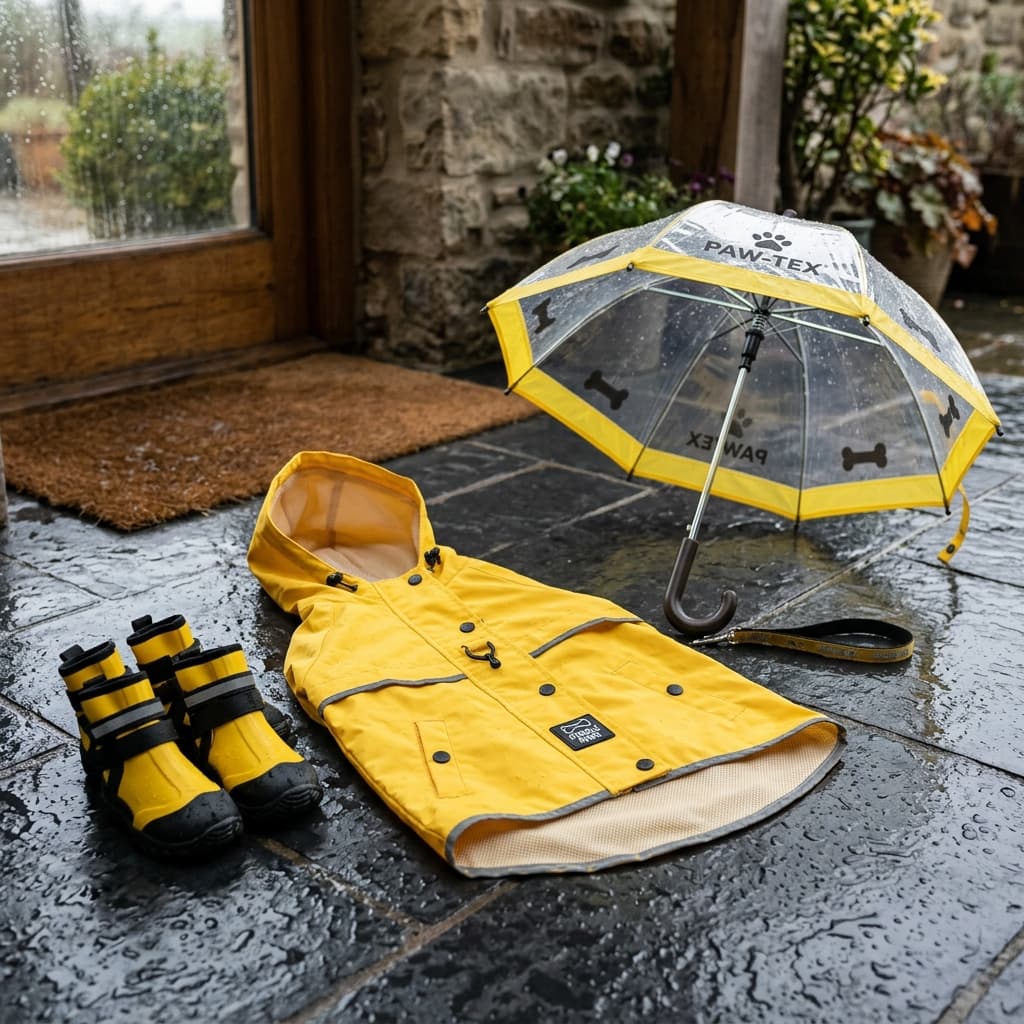
Understanding Rainy Season Dog Cleanup
Rainy season with a dog at home is a test of how well your cleanup routine actually holds up under daily pressure. What worked on a dry day in the park stops working the moment every walk ends with a wet, muddy dog at the door.
Most households have no dedicated wet-dog entry system and end up improvising with whatever is nearby, an old towel, paper towels, a half-dry bathmat, which leaves floors wet, the dog smelling, and the routine stressful.
Key Factors when Evaluating Rainy Season Dog Cleanup
The most effective rainy-season cleanup systems have one thing in common: they interrupt the wet at the point of entry. That means having the mat, the towel, and the drying coat within arm's reach of the front door so the dog gets handled before it bolts into the bedroom.
Products that live in the bathroom or back cupboard never actually get used at the right moment. The practical design of a rainy-season station isn’t about buying the best single product. It’s about grouping the tools together so they can all be used in under two minutes without hunting for anything.
- Absorbency matters most: microfiber outperforms standard terry cloth for wet coats by a large margin.
- A dedicated entry mat catches the first round of mud before it spreads into living areas.
- A drying coat or quick-dry towel vest reduces how much rubbing time the owner needs.
- Waterproof furniture covers become much more valuable during the three to four months of a rainy season.
Top Picks for Rainy Season Dog Cleanup
Microfiber Drying Coat
$$Best for: Dogs that shake water on everything before you can dry them
A wraparound absorbent vest that the dog wears for five to ten minutes post-walk to wick moisture from the coat while the owner handles paws and entry cleanup.
Pros
- Hands-free coat drying
- Significantly reduces shaking spray
- Machine washable
Tradeoffs
- Dog needs to tolerate wearing something
- Sizing needs to be accurate for good coverage
High-Absorbency Entry Mat
$$Best for: Catching mud and water at the door before it spreads
A thick, high-absorbency mat placed just inside the front door that traps dirt and moisture from the first four or five steps of entry.
Pros
- Passive first line of defense
- Machine washable most designs
- Protects hard floors and rugs
Tradeoffs
- Needs regular washing to stay effective
- Can become saturated on very heavy rain days
Large Microfiber Pet Towel Set
$Best for: Quick full-body drying after shorter wet walks
An oversized microfiber towel specifically sized for a medium to large dog that dries the coat faster than standard bath towels with less scrubbing.
Pros
- Very absorbent
- Dries faster than cotton
- Flexible across seasons
Tradeoffs
- Needs dedicated storage or hook near entry
- Multiple towels may be needed for large or very wet dogs
Who Will Benefit Most
A rainy-season cleanup kit is most useful for households in climates with three or more months of consistent wet weather. The investment pays off in reduced floor cleaning, less odour in fabrics, and a calmer entry routine that doesn’t leave the whole home smelling like wet dog.
It’s also worth building the kit before rainy season arrives rather than during it. Having the tools ready and the routine practised before the weather changes makes the transition from dry to wet season almost seamless.
When to Consider Alternatives
Skip drying coats if your dog panics when wearing anything. The stress of putting it on negates any convenience benefit. A well-used microfiber towel with a calm owner is more effective than a coat on a resistant dog.
You can skip investing heavily in a wet-season setup if you have a short-coated dog in a mild climate. Short coats dry quickly with a basic towel, and the investment in extra gear may not justify the use frequency.
Important Considerations Before Buying
- Set up the entry station before the season starts so the habit forms on the first wet day.
- Keep a spare dry towel available so the entry routine doesn’t pause mid-dog to find another.
- Wash entry mats and towels frequently during wet season, every three to four days, to prevent mold and odour.
- Use waterproof or washable sofa covers during peak rainy months to make furniture cleanup much faster.
Practical Tips for Daily Use
- Keep everything at the entry: towel, paw cup, and mat. If anything is stored elsewhere it won’t be used consistently.
- Dry the underbelly and between the toes first, as these areas hold the most moisture and spread it fastest.
- Put the drying coat on before doing paws if the dog shakes a lot, it contains spray while you handle feet.
- Build the post-walk cleanup into the routine before entering rather than after the dog has already wandered through the home.
Final Recommendations on Rainy Season Dog Cleanup
Rainy season dog cleanup isn’t a product problem, it’s a routine problem. The right products help enormously, but only when they are positioned at the right place, ready for use without hunting or improvising.
A small, well-equipped entry station and a two-minute habit of using it consistently will do more for a clean home during rainy season than any single high-end product used occasionally.
Share this guide
Found this useful? Share it with other dog parents.
Share this guide: